
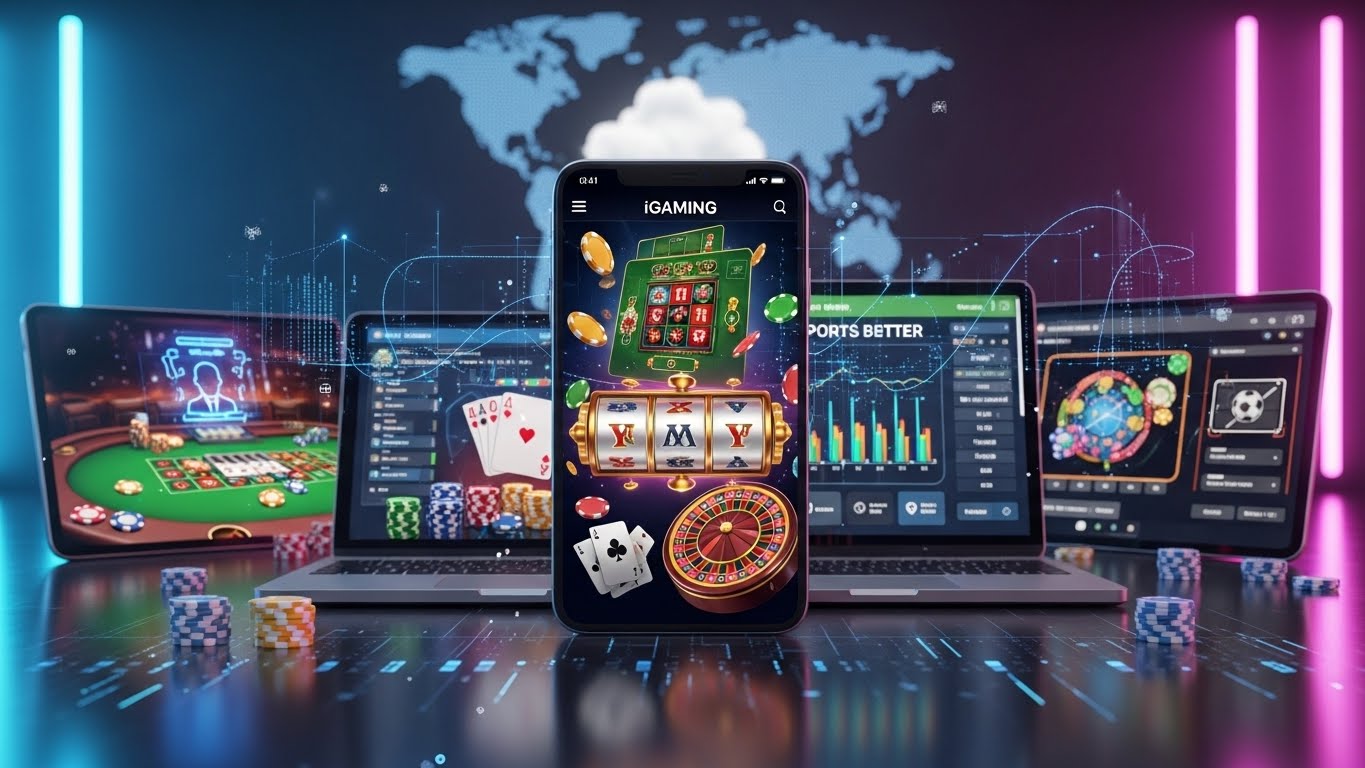
The Thriving World of iGaming: Revolutionizing Entertainment and Technology
The digital revolution has transformed almost every aspect of modern life, from communication to commerce. Among the industries that have experienced dramatic growth due to technology, the iGaming sector stands out as one of the fastest-evolving and most dynamic. iGaming, or internet gaming, encompasses online casino games, sports betting, poker, bingo, and other digital gambling activities. This blog explores the multifaceted world of iGaming, its technological advancements, regulatory considerations, and the future potential of this exciting digital entertainment sector.
The Rise of iGaming
iGaming is not a recent phenomenon, but its exponential growth over the last decade is remarkable. The proliferation of high-speed internet, mobile technology, and digital payment methods has made online gaming accessible to millions worldwide. Traditional casinos, once limited by geographical constraints, now have digital counterparts that offer players the thrill of gambling from the comfort of their homes.
One major factor contributing to the rise of iGaming is the convenience it offers. Unlike physical casinos, online platforms are available 24/7, allowing players to engage in their favorite games at any time. Additionally, the variety of games and betting options available online far surpasses what most land-based casinos can provide. From traditional poker and blackjack to virtual sports and live dealer games, iGaming platforms cater to a wide range of preferences, making the experience more personalized and engaging.
Technological Innovations in iGaming
Technology has been the backbone of iGaming’s rapid growth. The integration of advanced software, artificial intelligence, virtual reality, and blockchain has transformed the way people interact with online games. AI algorithms, for instance, are used to analyze player behavior, enhance game design, and even provide personalized recommendations. This level of customization enhances user engagement, keeping players invested in the gaming experience for longer periods.
Virtual reality (VR) and augmented reality (AR) technologies are creating immersive experiences that mimic the excitement of real-world casinos. Players can now step into virtual casino environments, interact with other players, and experience games in a 3D setting that closely resembles reality. This not only adds a new dimension to gaming but also broadens the appeal of iGaming to a younger, tech-savvy audience.
Blockchain technology and cryptocurrencies are also reshaping the iGaming landscape. Blockchain ensures transparency, fairness, and security in online transactions, addressing common concerns about trust and fraud. Many platforms now accept cryptocurrencies like Bitcoin and Ethereum, offering fast, secure, and anonymous payment options. This innovation appeals particularly to international players who face restrictions or limitations with traditional banking methods.
Popular iGaming Categories
iGaming is a broad industry, encompassing several popular categories. Understanding these categories helps in appreciating the diversity and appeal of the sector.
Online Casinos
Online casinos are the most prominent segment of iGaming. They offer a wide array of games, including slots, blackjack, roulette, baccarat, and more. Modern online casinos focus on creating immersive experiences through high-quality graphics, engaging sound effects, and live dealer options. Live dealer games, in particular, bridge the gap between virtual and real-world gaming, allowing players to interact with professional dealers in real-time.
Sports Betting
Sports betting has seen tremendous growth in the digital era. Online platforms allow users to place bets on various sports, including football, basketball, cricket, and horse racing. Advanced algorithms provide real-time odds, statistics, and predictive models, making betting more strategic and data-driven. Mobile applications have made sports betting even more accessible, enabling enthusiasts to place bets anytime, anywhere.
Poker and Other Skill Games
Poker remains a staple of the iGaming world, with online tournaments attracting players from around the globe. Unlike pure chance-based games, poker requires skill, strategy, and psychological insight. Online platforms have introduced innovative features such as multi-table tournaments, leaderboards, and cash games, creating competitive environments that rival traditional poker rooms.
Bingo and Social Gaming
Bingo and other casual games have also found a digital home in iGaming. These games appeal to a wide demographic, particularly those seeking entertainment without intense competition. Social features, such as chat rooms and community events, make these platforms more engaging and interactive, creating a sense of belonging among players.
Regulatory Landscape
The rapid growth of iGaming has prompted governments and regulatory bodies to establish rules that ensure fairness, safety, and responsible gambling. Regulations vary widely across regions, with some countries embracing online gaming while others impose strict restrictions.
Licensing is a critical aspect of regulation. Reputable iGaming platforms operate under licenses issued by recognized authorities, ensuring that games are fair, transactions are secure, and players are protected. Additionally, regulations often include measures to promote responsible gambling, such as deposit limits, self-exclusion options, and tools to monitor player behavior.
The regulatory environment also affects technological innovation. In regions with stringent regulations, platforms must adhere to specific standards in software, security, and data management. While this may seem restrictive, it ultimately benefits players by ensuring transparency and trust in the industry.
Responsible Gambling
As the iGaming industry expands, promoting responsible gambling has become more important than ever. Online platforms have a responsibility to provide tools and resources that help players make informed decisions and avoid addictive behavior. Features such as deposit limits, session reminders, and self-exclusion options are standard on most reputable platforms.
Education also plays a crucial role. Players must understand the risks involved, including the potential for financial loss and the psychological impact of gambling. Public awareness campaigns and industry initiatives aim to create a balanced gaming environment where entertainment and safety coexist.
Economic Impact of iGaming
iGaming has significant economic implications, contributing to job creation, tax revenues, and technological development. The industry supports a wide range of professionals, including software developers, marketers, customer support staff, and compliance experts. Additionally, licensing fees and taxes from iGaming operators provide governments with a steady source of revenue, which can be reinvested in public services.
The global reach of iGaming also stimulates cross-border economic activity. Players from different countries engage on shared platforms, creating opportunities for international collaboration, technology exchange, and financial innovation.
Challenges Facing the iGaming Industry
Despite its growth, the iGaming industry faces several challenges. One major concern is cybersecurity. Online platforms handle sensitive data, including personal information and financial transactions. Protecting this data from cyberattacks is paramount, and companies must continually invest in advanced security measures.
Competition is another significant challenge. The market is saturated with numerous platforms, making player acquisition and retention increasingly difficult. To stand out, operators must focus on innovation, user experience, and brand reputation.
Regulatory uncertainty remains a hurdle in many regions. Frequent changes in laws, taxation, and licensing requirements can disrupt operations and affect profitability. Navigating these complexities requires legal expertise and strategic foresight.
The Future of iGaming
The future of iGaming looks promising, with several emerging trends set to shape the industry. Mobile gaming will continue to dominate, driven by the widespread use of smartphones and improved internet connectivity. The convenience and accessibility of mobile platforms make them the preferred choice for many players.
Artificial intelligence and machine learning will play an increasingly important role in personalizing gaming experiences, predicting player preferences, and enhancing fraud detection. Similarly, virtual reality and augmented reality will create more immersive and interactive environments, further blurring the line between digital and physical gaming.
Esports betting is another emerging segment with significant potential. The growing popularity of competitive gaming provides new opportunities for online betting platforms to attract younger audiences who are highly engaged with digital entertainment.
Blockchain and cryptocurrencies will continue to influence the industry by providing secure, transparent, and fast payment solutions. As regulatory frameworks evolve, the integration of decentralized technologies could redefine trust and fairness in online gaming.
Conclusion
iGaming has emerged as a dynamic, technology-driven entertainment sector that appeals to millions worldwide. Its growth is fueled by innovation, convenience, and the diverse range of gaming options it offers. As technology continues to evolve, iGaming is poised to deliver even more immersive, personalized, and secure experiences.
However, the industry must navigate challenges related to regulation, cybersecurity, and responsible gambling to sustain its growth. By balancing innovation with ethical practices, iGaming can continue to thrive as a global entertainment phenomenon, offering both excitement and safety to players across the world.
The future of iGaming is not just about digital games; it is about creating engaging, responsible, and technologically advanced experiences that redefine entertainment in the 21st century.