The World of Gaming: A Revolution in Modern Entertainment
Gaming has grown from a niche hobby into one of the largest and most influential entertainment industries in the world. What began as simple pixel-based arcade games has evolved into a global culture that spans generations, genres, and technologies. Today, gaming combines storytelling, creativity, competition, and social connection in ways that few other mediums can achieve. From casual mobile players to professional esports athletes, gaming has become a defining element of modern entertainment and lifestyle.
The Evolution of Gaming
The journey of gaming began in the 1970s with arcade machines like Pong, Space Invaders, and Pac-Man. These early games introduced the world to interactive entertainment and became cultural icons of their time. As technology advanced, home consoles like the Atari 2600 and the Nintendo Entertainment System brought gaming into living rooms, allowing people to play without needing to visit an arcade.
The 1990s marked a golden age for gaming with the rise of 16-bit consoles and 3D graphics. Franchises like Super Mario, The Legend of Zelda, and Final Fantasy revolutionized gameplay and storytelling. Personal computers also emerged as gaming platforms, offering new genres such as strategy, simulation, and online multiplayer experiences.
The 21st century saw gaming evolve into a global industry driven by innovation and technology. Online connectivity, digital downloads, and mobile gaming made games more accessible than ever. Today, gaming extends beyond consoles and PCs to smartphones, tablets, and cloud platforms, making it a universal form of entertainment.
The Impact of Technology on Gaming
Technology has always been at the heart of gaming evolution. Graphics have moved from simple 2D sprites to lifelike 3D environments powered by advanced rendering techniques. High-definition visuals, realistic physics, and motion capture have made modern games cinematic in quality.
Artificial intelligence enhances gameplay by creating smarter enemies, adaptive difficulty, and more immersive experiences. Virtual reality and augmented reality are expanding the boundaries of gaming, allowing players to step inside virtual worlds or blend digital and real environments. Cloud gaming is another revolutionary development, enabling high-quality games to be played on any device without expensive hardware.
The power of modern technology has transformed gaming from a visual experience into a sensory one, immersing players through sound, touch, and even motion. These innovations continue to redefine how people interact with games and how developers craft their worlds.
The Rise of Online Multiplayer
The rise of online multiplayer gaming has fundamentally changed how people play and connect. Early online experiences, such as text-based adventures and local area network (LAN) matches, paved the way for global connectivity. Massive multiplayer online games like World of Warcraft and Runescape allowed players from around the world to interact in shared virtual spaces.
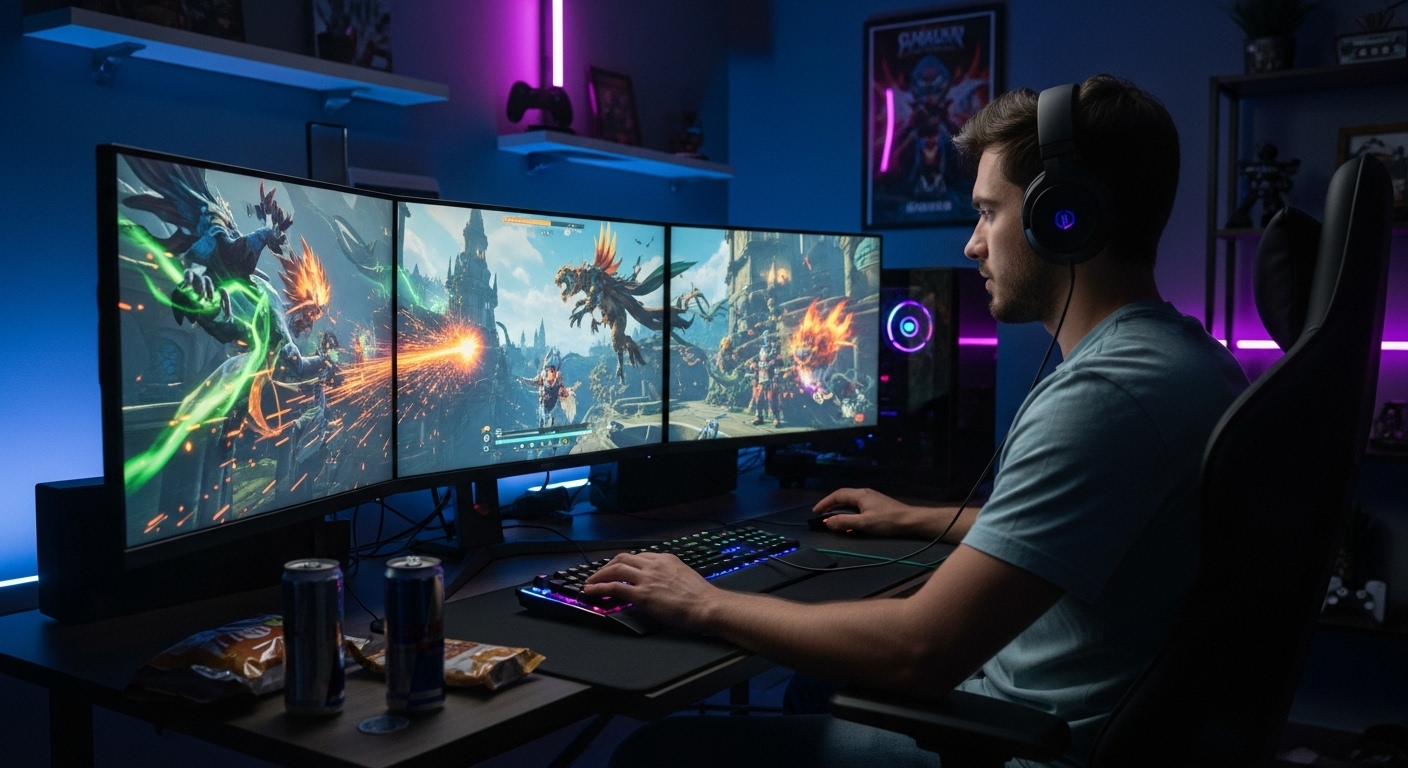
Today, multiplayer gaming encompasses a wide range of experiences, from team-based shooters like Call of Duty and Overwatch to battle royales like Fortnite and PUBG. These games emphasize social interaction, teamwork, and community building. Online platforms enable voice chat, real-time collaboration, and competitive play, creating friendships and rivalries that transcend geography.
Multiplayer gaming has become a cornerstone of modern gaming culture. It fosters cooperation, competition, and connection, allowing players to share experiences, learn from others, and engage in collective storytelling.
The Emergence of Esports
Esports, or competitive gaming, has transformed gaming into a professional and spectator sport. What once began as small local tournaments has become a global industry with professional teams, sponsors, and massive audiences. Games like League of Legends, Counter-Strike: Global Offensive, and Dota 2 attract millions of viewers worldwide.
Professional players train extensively, refining their skills, strategies, and teamwork. Esports tournaments fill arenas, and prize pools reach millions of dollars. Streaming platforms have made esports accessible to fans around the globe, allowing them to watch live matches, follow their favorite players, and participate in online communities.
Esports has elevated gaming to new heights of recognition and legitimacy. It has bridged the gap between entertainment and athleticism, proving that gaming requires discipline, coordination, and mental agility comparable to traditional sports.
The Role of Storytelling in Gaming
Storytelling has become one of the most powerful aspects of gaming. Early games focused primarily on gameplay, but modern titles integrate deep narratives, emotional character development, and moral choices. Games like The Last of Us, Red Dead Redemption 2, and God of War demonstrate how storytelling in gaming can rival that of film and literature.
Interactive storytelling allows players to shape outcomes based on their decisions. Branching narratives, moral dilemmas, and emotional journeys engage players on a personal level. This interactivity creates a deeper connection between the player and the story, making gaming a unique medium for narrative expression.
Story-driven games immerse players in complex worlds filled with themes of love, loss, courage, and morality. They push the boundaries of creativity and redefine what storytelling can achieve in a digital age.
The Psychology of Gaming
Gaming is not just entertainment—it also affects the human mind in profound ways. Games stimulate problem-solving, improve hand-eye coordination, and enhance cognitive flexibility. Strategic and puzzle-based games challenge players to think critically, while role-playing and adventure games foster empathy through character-driven experiences.
Gaming also provides an outlet for relaxation, escapism, and emotional expression. It allows players to explore identities, achieve goals, and experience mastery in virtual environments. However, balance is key. Excessive gaming can lead to burnout or addiction, emphasizing the importance of healthy habits and moderation.
Modern research highlights gaming’s potential in education and therapy. Serious games are used for learning, skill development, and even mental health treatments, demonstrating the positive applications of gaming beyond recreation.
Mobile Gaming Revolution
The rise of smartphones has made gaming accessible to billions of people worldwide. Mobile games like Candy Crush Saga, Clash of Clans, and PUBG Mobile have reached audiences far beyond traditional gamers. Mobile gaming offers convenience, portability, and instant entertainment, making it one of the fastest-growing sectors in the industry.
Advancements in mobile hardware have enabled console-quality graphics and complex gameplay experiences on handheld devices. Developers now design mobile versions of popular franchises, ensuring that players can enjoy gaming anytime, anywhere. The affordability and accessibility of mobile gaming have contributed significantly to the mainstream acceptance of gaming culture.
The Social Side of Gaming
Gaming has evolved into a social platform where players interact, collaborate, and build communities. Online games encourage teamwork, communication, and shared experiences. Multiplayer environments and social features allow players to form friendships, join clans, and participate in global events.
Streaming platforms and content creation have turned gaming into a social phenomenon. Streamers and influencers connect with audiences through live broadcasts, commentary, and entertainment. Gaming has become a form of self-expression, creativity, and social engagement, blending play with performance.
These social dynamics have made gaming a unifying force that brings people together across age, culture, and geography. It has become a digital community where creativity and competition coexist.
The Business of Gaming
The gaming industry is one of the most lucrative sectors in entertainment. It surpasses film and music in global revenue, driven by game sales, digital downloads, microtransactions, and subscriptions. Major companies invest heavily in game development, while independent developers bring innovative ideas to life through digital platforms.
The rise of streaming services, downloadable content, and live-service games has changed how games are distributed and monetized. Subscription models provide access to vast libraries of titles, while in-game purchases support ongoing updates and expansions.
Esports, mobile gaming, and virtual economies contribute to the industry’s growth, creating opportunities for developers, content creators, and marketers alike. Gaming is not just entertainment—it is a thriving business ecosystem that continues to expand with technological progress.
The Artistic Side of Gaming
Gaming is increasingly recognized as an art form. Developers combine visual design, music, writing, and performance to create immersive experiences. Artistic games like Journey, Gris, and Inside demonstrate how gaming can evoke emotion, convey meaning, and explore philosophical ideas through interactivity.
Game art encompasses more than visuals; it includes soundscapes, world-building, and player choice. It invites players to participate in storytelling, transforming them from passive observers into active participants. Gaming’s artistic potential continues to grow as technology enhances creative expression and emotional depth.
The Future of Gaming
The future of gaming promises even greater innovation. Artificial intelligence will create more dynamic and responsive game worlds. Virtual and augmented reality will blur the lines between digital and physical spaces. Cloud gaming will make high-end experiences accessible to anyone with an internet connection.
Developers are exploring cross-platform play, allowing gamers on different devices to play together seamlessly. The integration of blockchain and virtual economies will revolutionize ownership and digital identity within gaming. As technology evolves, gaming will become even more immersive, interactive, and inclusive.
The line between gaming and other forms of media is also disappearing. Interactive films, live events, and user-generated content are merging into hybrid experiences that redefine entertainment. The future of gaming will be shaped by creativity, community, and technological innovation.
The Cultural Significance of Gaming
Gaming has become a cultural force that influences art, music, film, and fashion. Iconic characters like Mario, Lara Croft, and Master Chief are recognized worldwide. Gaming soundtracks, conventions, and fan art have created a global community of enthusiasts.
Gaming also plays a role in social and political commentary, exploring themes such as identity, conflict, and morality. It reflects societal values, challenges conventions, and sparks conversations about the human experience. As gaming continues to evolve, its cultural impact will only grow stronger.
Conclusion
Gaming has come a long way from its humble beginnings. It has transformed from simple arcade experiences into complex, immersive worlds that entertain, educate, and inspire. With advancements in technology, storytelling, and connectivity, gaming now stands as one of the most dynamic and influential industries in the world.
From casual mobile players to dedicated esports professionals, gaming offers something for everyone. It combines creativity, competition, and community, shaping how people play, learn, and interact. As it continues to evolve, gaming will remain a cornerstone of modern entertainment, driving innovation and connecting humanity through the universal language of play.
The world of gaming is not just about fun—it is about imagination, challenge, and discovery. It is an art, a science, and a form of connection that transcends boundaries. The story of gaming is still being written, and its future holds endless possibilities for players and creators alike.