
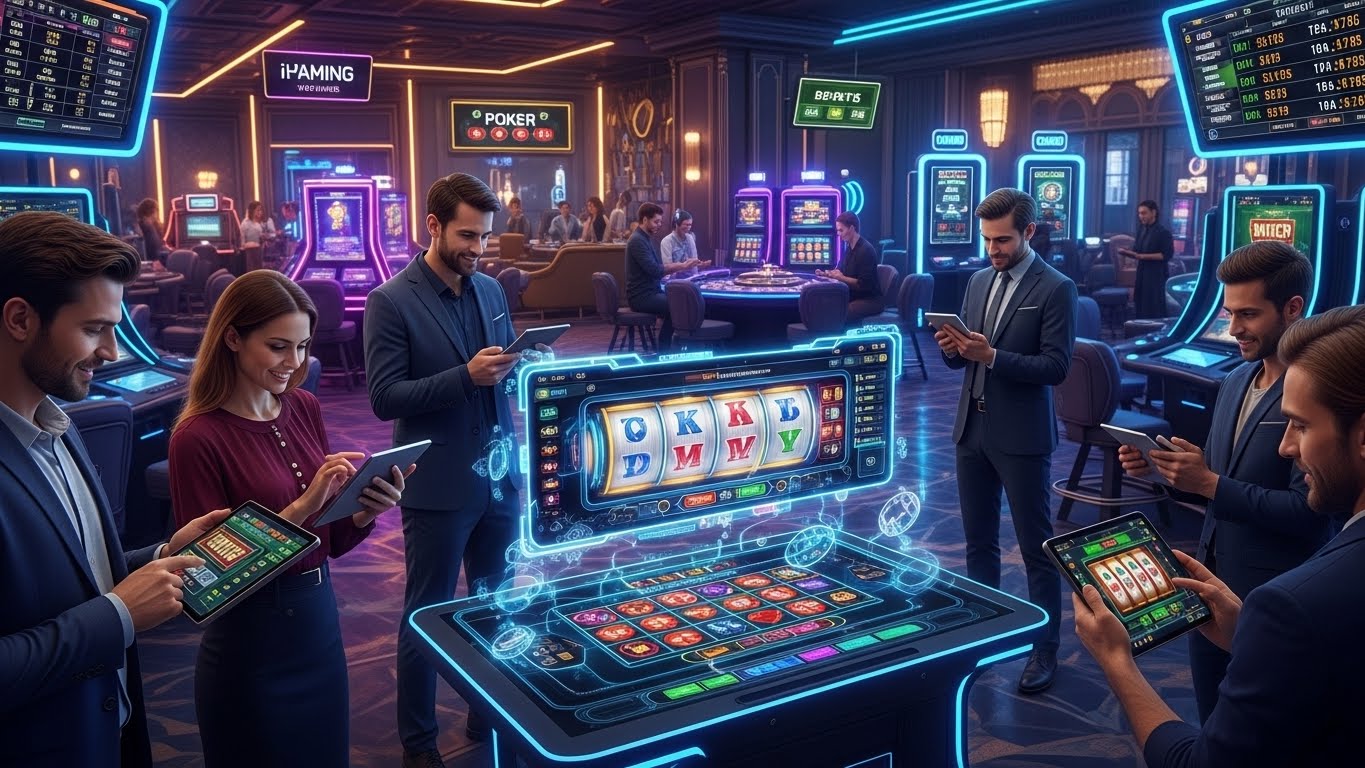
iGaming Revolution: How Digital Betting is Transforming Entertainment
Introduction
The world of iGaming has grown from a niche hobby to a global phenomenon that entertains millions of people every day. Short for “interactive gaming,” iGaming encompasses online casinos, sports betting, poker, and other digital forms of gambling. Unlike traditional gambling, iGaming offers accessibility, convenience, and innovative features that make it appealing to a broad audience. This blog explores the rise of iGaming, its technological underpinnings, societal impacts, and the trends shaping the future of digital betting.
The Emergence of iGaming
iGaming started gaining traction in the late 1990s when internet connectivity became widespread. Early online casinos offered simple games like blackjack, roulette, and slots. Over time, advancements in software, security, and user interfaces allowed iGaming platforms to provide a more immersive and interactive experience. Today, iGaming is not limited to desktop computers; mobile apps have made betting possible anytime, anywhere. This evolution has expanded the audience beyond traditional gamblers to include tech-savvy users seeking entertainment on demand.
Understanding iGaming Platforms
At the core of iGaming are digital platforms that combine games of chance with interactive features. These platforms operate with advanced algorithms that ensure fairness, transparency, and security. From virtual slots to live dealer games, iGaming platforms use real-time streaming and random number generators to replicate the thrill of physical casinos. Additionally, these platforms often include rewards systems, tournaments, and loyalty programs that enhance player engagement and retention.
The Role of Technology in iGaming
Technology has been the driving force behind the iGaming revolution. Software developers continuously improve graphics, gameplay mechanics, and user interfaces to create a seamless experience. Artificial intelligence analyzes player behavior to provide personalized recommendations and optimize game design. Blockchain technology is increasingly used for secure transactions and transparency. Virtual reality and augmented reality are also beginning to redefine iGaming by offering immersive experiences where players can interact in 3D environments.
iGaming and Online Casinos
Online casinos remain the most prominent segment of iGaming. They offer a variety of games that mimic traditional casino experiences while adding digital enhancements. Slot machines, poker, blackjack, roulette, and baccarat are available in multiple versions, each with unique features, themes, and jackpots. Live dealer games bridge the gap between digital and physical experiences, allowing players to interact with real dealers and other participants in real time. The convenience of playing from home combined with high-quality graphics and sound has significantly increased the popularity of online casinos.
Sports Betting in the Digital Era
Sports betting has also evolved dramatically through iGaming platforms. Traditional sports betting relied on bookmakers and physical locations, but online platforms provide real-time odds, live updates, and instant betting options. Users can place bets on football, basketball, cricket, horse racing, and even esports. Many platforms now offer in-play betting, which allows users to wager during the course of a match. This interactivity creates excitement and engages sports fans in ways that were previously impossible.
Esports and iGaming Integration
The rise of esports has created a new frontier for iGaming. Competitive video gaming attracts millions of viewers worldwide, and betting platforms now offer opportunities to wager on professional esports matches. This integration has opened iGaming to a younger demographic and has introduced novel betting models that combine skill, strategy, and chance. Esports betting exemplifies how iGaming continuously adapts to new trends and technologies to remain relevant and appealing.
The Economic Impact of iGaming
iGaming has a significant economic impact globally. It generates revenue for game developers, platform operators, and governments through licensing and taxation. It also creates employment opportunities in software development, marketing, customer service, and regulatory compliance. In some regions, iGaming has become a key contributor to the economy, attracting investments and supporting local industries. The digital nature of iGaming also reduces physical infrastructure costs, making it more scalable and efficient than traditional gambling.
Responsible Gaming and Player Protection
With the growth of iGaming comes the responsibility to ensure safe and responsible play. Platforms implement features such as deposit limits, self-exclusion tools, and activity tracking to prevent addiction and financial harm. Regulatory authorities establish standards to protect players and ensure fairness. Promoting responsible gaming is crucial to maintaining trust and sustainability in the industry. Players benefit from educational resources that help them understand risks and manage their gaming behavior effectively.
Social Interaction in iGaming
Despite being digital, iGaming platforms foster social interaction. Multiplayer games, live dealer experiences, and chat features allow players to communicate and compete with others. Social engagement enhances enjoyment and creates a sense of community among users. Many platforms host tournaments, leaderboards, and community events that encourage collaboration and friendly competition. This social dimension transforms solitary digital gaming into a shared, interactive experience.
Marketing and Personalization in iGaming
Marketing plays a significant role in the success of iGaming platforms. Through data analytics, platforms can personalize offers, bonuses, and promotions based on user preferences and behavior. Gamification techniques, such as achievements, daily challenges, and reward points, increase engagement and loyalty. Targeted marketing strategies ensure that players receive content that aligns with their interests, enhancing their overall experience and keeping them invested in the platform.
Legal and Regulatory Landscape
The legal environment for iGaming varies widely across the globe. Some countries have fully regulated online gambling markets, while others restrict or ban digital betting. Licensing requirements, taxation policies, and compliance standards are essential for operating legally and ethically. Regulation ensures fair play, protects players, and fosters transparency within the industry. Companies operating in the iGaming space must navigate complex legal frameworks to maintain credibility and sustainability.
The Future of iGaming
The future of iGaming promises continued innovation and growth. Advancements in artificial intelligence, machine learning, and virtual reality will make games more interactive, immersive, and personalized. Integration with new technologies such as cryptocurrencies and decentralized platforms will enhance security and expand payment options. iGaming will continue to blend entertainment, social interaction, and competition, creating experiences that appeal to both casual players and professional gamblers.
Challenges Facing the iGaming Industry
Despite its growth, iGaming faces challenges that must be addressed. Regulatory hurdles, cybersecurity threats, and responsible gaming concerns are critical issues. Companies must invest in technology and compliance to ensure safe and fair environments. Additionally, maintaining user trust and addressing social stigma around gambling are ongoing challenges. The industry’s ability to adapt to these challenges will determine its long-term success and sustainability.
Conclusion
iGaming has transformed the landscape of entertainment, offering interactive, convenient, and immersive experiences for millions of people worldwide. From online casinos and sports betting to esports integration and social gaming, iGaming continues to innovate and expand. Technology, regulation, and responsible gaming practices are essential for sustaining growth and ensuring player protection. As the industry evolves, iGaming will remain a powerful force in shaping how we play, interact, and experience digital entertainment. The revolution of iGaming is not just a trend; it is a permanent shift in how humans engage with games, competition, and interactive experiences.