
iGaming Revolution: How Digital Gambling is Transforming Entertainment
Introduction
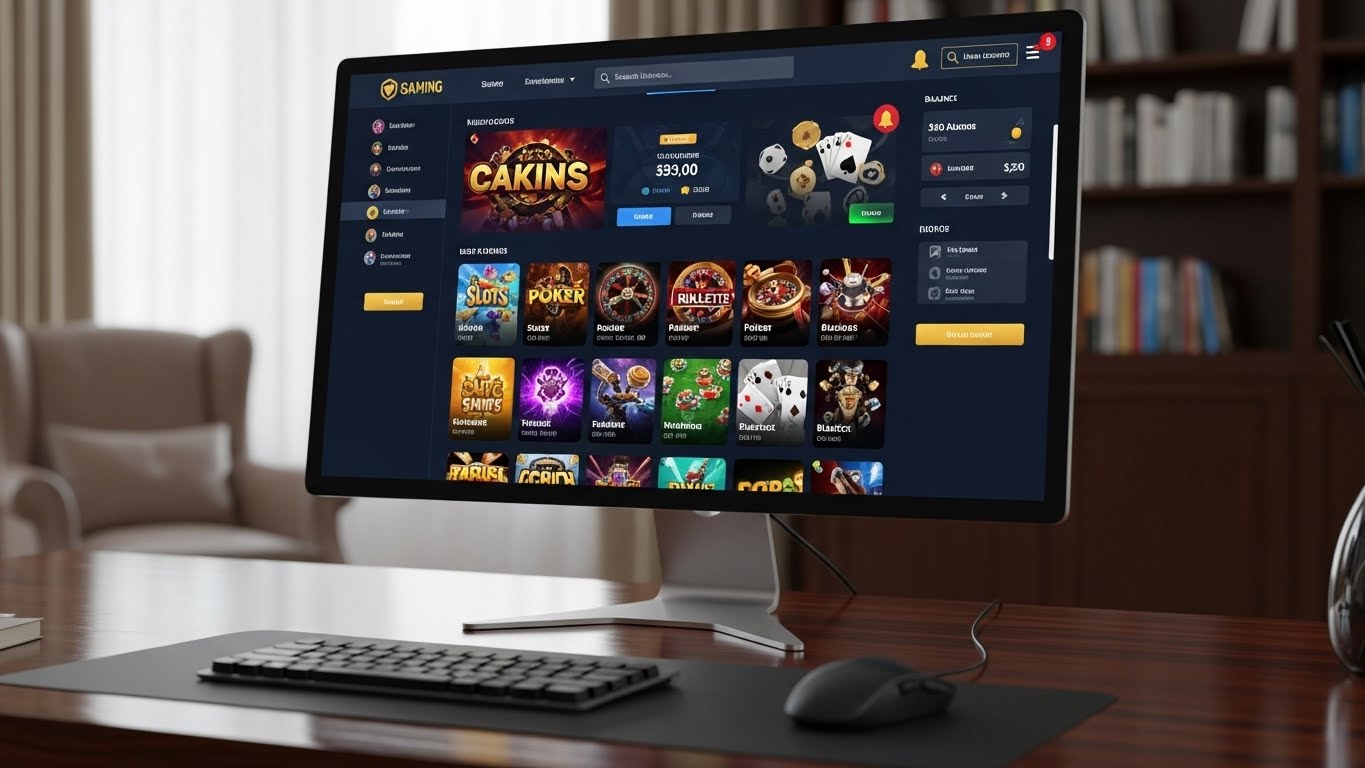
iGaming, short for interactive gaming, has rapidly transformed the way people engage with gambling and online entertainment. Unlike traditional casinos, iGaming allows players to enjoy a wide variety of games from the comfort of their homes or on mobile devices. This industry encompasses online casinos, poker, sports betting, lottery games, and virtual sports, offering both entertainment and the thrill of competition. Over the past two decades, iGaming has become a multi-billion-dollar global industry, blending technology, finance, and entertainment in innovative ways. This blog explores the history, technological evolution, economic impact, player behavior, and future trends of iGaming.
The Origins of iGaming
The concept of online gambling began in the mid-1990s when the internet became more widely accessible. The first generation of online casinos offered simple digital versions of blackjack, roulette, and poker. While these early platforms were limited in graphics and functionality, they provided an unprecedented convenience, allowing players to engage in gambling without visiting physical casinos.
Advancements in internet speed, payment systems, and software development in the early 2000s laid the foundation for modern iGaming platforms. Security improvements and licensing regulations increased trust in online gambling, encouraging wider adoption. Today, iGaming has evolved into a highly interactive and immersive experience, combining entertainment, strategy, and social engagement.
Key Types of iGaming Platforms
iGaming is not a single category but a collection of interactive gambling experiences. Understanding these categories highlights the diversity of the industry.
Online Casino Games
Online casinos offer virtual versions of traditional games like slots, blackjack, roulette, and baccarat. Modern platforms often include themed slot machines with immersive graphics, sound effects, and bonus rounds. Live dealer games simulate a real casino environment, where players can interact with professional dealers through high-quality video streaming.
Sports Betting
Sports betting has grown exponentially online, covering everything from football and basketball to tennis and esports. Live betting allows players to place wagers during events, creating dynamic and strategic gaming experiences. Mobile apps provide real-time odds, statistics, and instant access to bets, increasing engagement and convenience.
Online Poker
Poker remains one of the most popular iGaming options. Online poker rooms host tournaments, cash games, and multi-table competitions for players of all skill levels. Advanced algorithms ensure fair play, while social features allow interaction between players, creating a competitive and community-driven environment.
Lotteries and Bingo
Digital lotteries and bingo have modernized these traditional games, offering instant access and interactive features. Progressive jackpots, themed games, and community chat functions enhance engagement, while online platforms provide flexibility and convenience for players.
Technology Driving iGaming
Technology is the backbone of iGaming, shaping the user experience, security, and fairness of games.
Software and Game Development
iGaming relies on sophisticated software to provide interactive, visually appealing, and fair gameplay. Random number generators ensure unpredictability, while advanced graphics engines create immersive environments. User-friendly interfaces make platforms accessible to both casual and experienced players.
Mobile Platforms
The proliferation of smartphones has revolutionized iGaming. Mobile apps allow players to access games anytime, anywhere, ensuring a seamless and interactive experience. Mobile technology has also facilitated live betting, real-time updates, and instant withdrawals, further enhancing convenience.
Security and Encryption
Online gambling platforms handle sensitive personal and financial data. Advanced encryption protocols, secure payment gateways, and identity verification systems protect users and maintain trust. Regulatory compliance ensures platforms adhere to strict standards, preventing fraud and maintaining integrity.
Artificial Intelligence and Data Analytics
AI powers personalized experiences, predicting player preferences and recommending games. It also detects unusual betting patterns to prevent fraud and problem gambling. Data analytics helps operators optimize game design, marketing strategies, and customer engagement while maintaining responsible gambling practices.
Economic Impact of iGaming
iGaming has become a significant contributor to the global economy. Revenue streams include game subscriptions, bets, advertising, and licensing fees. Governments benefit from taxation and licensing, while companies generate income from multiple channels, including affiliate marketing and promotional campaigns.
The industry also creates employment opportunities in software development, cybersecurity, marketing, event management, and compliance. Ancillary sectors, such as payment processing, customer support, and technology infrastructure, also benefit from the growth of iGaming.
Regulation and Compliance
Regulation is essential for the sustainable growth of iGaming. Licensing authorities ensure fair play, secure transactions, and responsible gambling practices. Platforms must comply with laws specific to their operating regions, which may include age verification, anti-money laundering measures, and player protection policies.
Regulatory compliance builds trust with players and establishes credibility for operators. It also ensures that the industry evolves responsibly, balancing innovation with legal and ethical standards.
Understanding Player Behavior
Player behavior in iGaming is influenced by a combination of entertainment, skill, and the thrill of winning. Psychological principles such as reinforcement schedules, bonus features, and progressive jackpots increase engagement and retention.
Responsible gambling initiatives are critical to preventing addiction and maintaining healthy play patterns. Features like self-exclusion, deposit limits, and activity monitoring help players enjoy the experience without compromising financial or mental well-being. Understanding player psychology is crucial for operators to design engaging yet safe gaming environments.
Social and Cultural Implications
iGaming has created digital communities where players can interact, compete, and collaborate. Online tournaments, poker rooms, and bingo platforms facilitate social engagement, building connections among players worldwide.
Live streaming and social media integration allow players to share experiences, discuss strategies, and celebrate achievements. iGaming has become a culturally recognized form of entertainment, influencing digital lifestyles and contributing to the normalization of online gambling.
Challenges in the iGaming Industry
Despite its growth, iGaming faces several challenges. Ensuring security against cyberattacks, preventing fraud, and maintaining fair play are ongoing priorities. Regulatory requirements vary globally, making compliance complex for operators.
Player protection remains a significant concern. Addiction, excessive gambling, and financial mismanagement require proactive measures. Additionally, competition is intense, demanding constant innovation and marketing efforts to attract and retain players.
Emerging Trends in iGaming
Several trends are shaping the future of iGaming.
Virtual Reality and Augmented Reality
VR and AR provide immersive casino experiences, allowing players to interact with virtual environments and live dealers. These technologies simulate real-world gambling while offering enhanced convenience and entertainment.
Cryptocurrency and Blockchain
Cryptocurrencies facilitate secure, fast, and transparent payments, while blockchain technology ensures provably fair games. These innovations increase trust, reduce transaction costs, and attract tech-savvy players.
Gamification and Social Features
Gamification adds achievements, challenges, and rewards, increasing engagement. Social features, such as chat rooms, leaderboards, and tournaments, create a community-driven experience, enhancing the entertainment value of iGaming.
AI-Driven Personalization
AI tailors game recommendations, promotions, and experiences based on player behavior. Personalized interfaces and dynamic content increase satisfaction and retention, creating a more engaging and enjoyable gaming environment.
The Future of iGaming
The future of iGaming is poised for growth, driven by technological innovation and evolving player expectations. Mobile gaming, virtual reality, artificial intelligence, and blockchain will enhance immersion, security, and accessibility.
The integration of esports, social gaming, and interactive betting will create hybrid entertainment experiences. Regulatory frameworks are expected to evolve alongside technology, ensuring a balance between innovation and responsible gambling. The global reach of iGaming will continue expanding, offering opportunities for players, operators, and the digital economy alike.
Conclusion
iGaming represents a fusion of technology, entertainment, and gambling, redefining how people play and engage online. From online casinos and sports betting to poker and digital lotteries, the industry offers diverse experiences that combine convenience, excitement, and social interaction.
Technological advancements, regulatory oversight, and responsible gambling practices have shaped iGaming into a credible and sustainable industry. With emerging trends in virtual reality, blockchain, AI, and mobile gaming, iGaming is poised to continue growing, offering innovative experiences that captivate players while promoting security and fair play.
The rise of iGaming demonstrates how digital entertainment can transform traditional industries, providing excitement, social engagement, and economic impact on a global scale. Its evolution reflects the broader trends in digital innovation, showcasing the limitless potential of interactive entertainment in the modern era.