
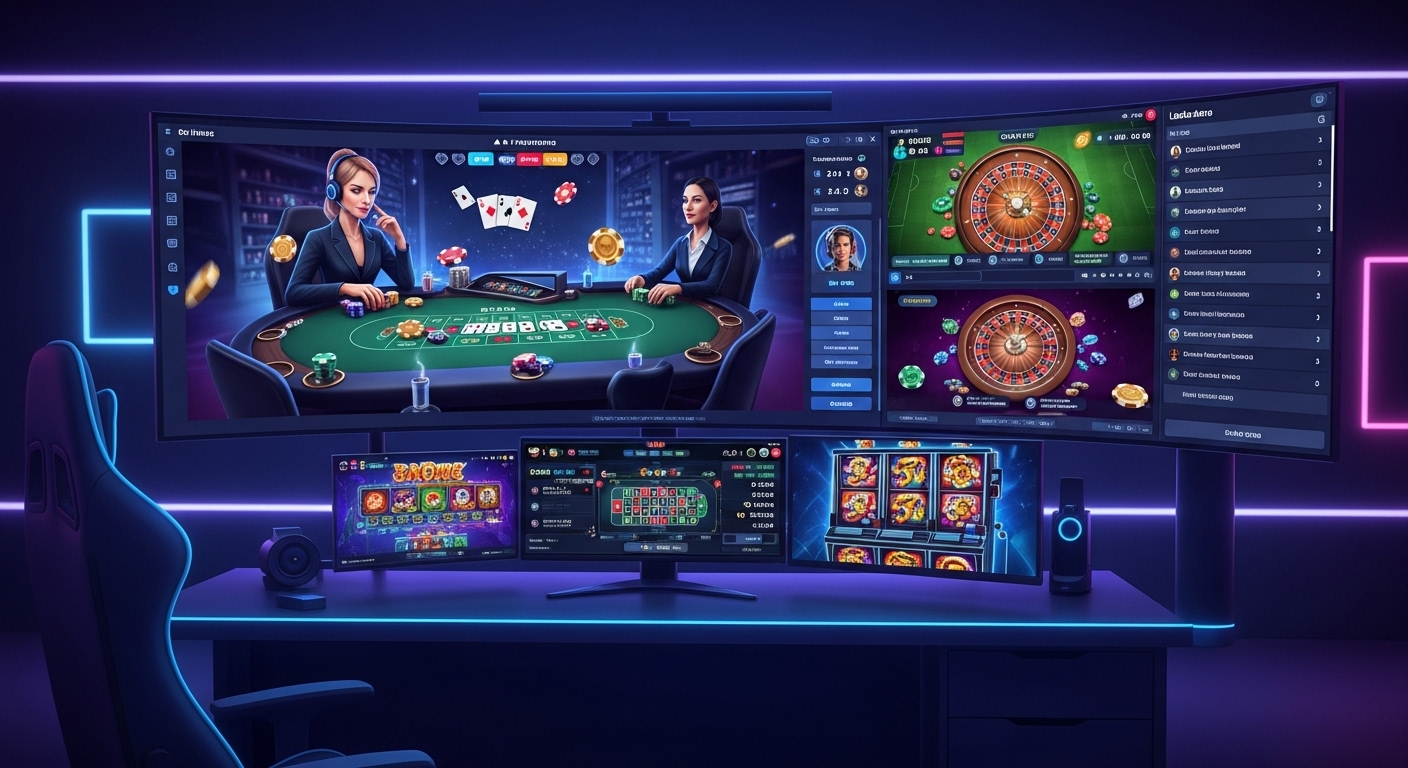
iGaming Revolution: How Digital Gaming is Redefining Entertainment
Introduction: The Rise of Digital Gaming
The entertainment landscape has undergone a dramatic shift in the past decade. Among the most significant transformations is the rise of iGaming, a term that encompasses online gambling, virtual casinos, sports betting, and interactive digital games. iGaming has moved beyond being a niche hobby to becoming a global phenomenon that blends technology, entertainment, and social interaction. The accessibility, variety, and convenience of iGaming platforms have attracted millions of users worldwide, creating an industry that continues to grow at an unprecedented pace.
What is iGaming?
iGaming refers to any form of betting or interactive gaming conducted online. This includes classic casino games such as slots, poker, blackjack, and roulette, as well as digital sports betting, esports wagering, and live casino experiences. Unlike traditional gaming, which relies on physical venues, iGaming provides users with the flexibility to play anytime and anywhere. Beyond gambling, iGaming has evolved to include interactive gameplay that simulates real-world experiences through advanced software, graphics, and real-time interaction.
Modern iGaming platforms offer a rich blend of entertainment, combining the thrill of gambling with social features and gamification. Players can enjoy multiplayer games, community events, and challenges that go beyond mere betting, creating a fully immersive digital experience.
The Evolution of iGaming
iGaming began as simple websites offering basic games with limited functionality. Early platforms were static and lacked the engaging features players expect today. However, as internet speeds increased and technology advanced, the iGaming industry transformed rapidly. Developers began creating interactive, visually appealing games that could run smoothly on desktops and eventually mobile devices.
The integration of live-dealer technology was a game-changer, allowing players to experience real-time interaction with human dealers while playing from home. Mobile applications further accelerated the growth of iGaming by making it possible to play on smartphones and tablets, allowing users to enjoy their favorite games anytime and anywhere.
Why iGaming Has Gained Global Popularity
The success of iGaming can be attributed to several factors:
- Convenience: Players no longer need to visit physical casinos or betting shops. Games are available 24/7, offering entertainment on demand.
- Variety: Unlike traditional casinos limited by space, online platforms can host thousands of games, catering to every preference, from classic slots to complex strategy-based games.
- Rewards and Incentives: Bonuses, promotions, and loyalty programs attract new users and retain existing ones. These rewards enhance engagement and make gameplay more appealing.
- Technological Comfort: With digital literacy increasing worldwide, users are more comfortable navigating online platforms and making secure digital transactions.
- Social Interaction: Multiplayer games, leaderboards, and tournaments provide opportunities for competition and community, making iGaming a social activity rather than a solitary experience.
Technology Driving iGaming
Modern iGaming is powered by advanced technology. Random number generators (RNGs) ensure fairness in games, while encryption protects user data and financial transactions. Artificial intelligence personalizes gameplay by analyzing player behavior, offering tailored recommendations, and improving security by detecting suspicious activity.
Cloud computing allows iGaming platforms to deliver high-quality experiences without requiring users to download heavy software. This ensures seamless gameplay, even on moderate devices, and supports real-time interactions with other players and live dealers.
The Mobile Gaming Revolution
Mobile gaming is one of the most significant factors in iGaming’s growth. Smartphones and tablets provide convenience and portability, allowing players to access games anywhere. Mobile-friendly interfaces, fast-loading games, and touch controls enhance the user experience. Many platforms now offer mobile-exclusive promotions and features, further encouraging users to play on the go.
As technology continues to evolve, wearable devices and smart accessories may provide new ways for players to interact with iGaming platforms, making gameplay even more integrated into daily life.
Responsible Gaming in the Digital Era
With the growth of iGaming comes the responsibility to promote safe and responsible gaming. Reputable platforms offer tools to help players manage their activity, including deposit limits, self-exclusion options, and reality checks. Education is also vital, helping players understand the difference between entertainment and financial investment, and encouraging them to play responsibly.
Responsible gaming not only protects players but also enhances trust in the industry. Operators who prioritize safety and ethical practices build long-term relationships with their users.
The Social Dimension of iGaming
iGaming is not just about gambling; it is increasingly a social experience. Multiplayer games, live dealer interactions, and online tournaments create communities of players who engage with each other in real time. Leaderboards, achievements, and community challenges encourage collaboration and competition, adding depth and excitement to the gaming experience.
Social interaction in iGaming helps reduce the isolation often associated with online gaming and fosters a sense of belonging and connection among players.
Economic Impact of iGaming
iGaming has a significant economic impact. The industry creates jobs in game development, customer support, cybersecurity, marketing, and design. Many governments recognize iGaming as a valuable source of revenue and have implemented regulatory frameworks to support its growth.
Additionally, iGaming drives technological innovation. The demand for secure platforms, high-performance graphics, and seamless user experiences encourages advancements that benefit other industries such as finance, software development, and digital entertainment.
Emerging Trends in iGaming
Several trends are shaping the future of iGaming:
- Virtual Reality (VR) and Augmented Reality (AR): These technologies offer immersive experiences, allowing players to navigate virtual casinos and interact with digital environments as if they were physically present.
- Skill-Based Gaming: Unlike traditional games of chance, skill-based games reward strategy and decision-making, appealing to players seeking intellectual engagement alongside entertainment.
- Esports Betting: Competitive gaming has grown tremendously, creating opportunities for betting and spectator engagement in a rapidly expanding market.
- Artificial Intelligence: AI is being used to create adaptive opponents, personalized recommendations, and enhanced customer service, making gameplay more responsive and engaging.
Challenges in the iGaming Industry
Despite its growth, iGaming faces challenges. Regulatory differences across countries can complicate operations for international platforms. Cybersecurity threats and fraud require constant vigilance. Additionally, intense competition demands continuous innovation to maintain user interest and loyalty.
Players now expect high-quality graphics, flawless performance, engaging gameplay, and trustworthy service. Meeting these expectations requires consistent investment and technological advancement.
Player Experience: The Core of iGaming
The success of iGaming platforms depends on delivering exceptional player experiences. Modern users value simplicity, reliability, and entertainment quality. Platforms that offer intuitive interfaces, diverse game libraries, personalized features, and responsive customer service are best positioned to retain users.
Personalization is key. By analyzing user behavior, platforms can provide tailored game suggestions, customized challenges, and adaptive interfaces that make players feel valued and understood. The focus is shifting from merely offering games to creating comprehensive entertainment experiences.
Future Outlook of iGaming
The iGaming industry is poised for continued growth. As technology evolves, platforms will become more immersive, interactive, and intelligent. Virtual reality, augmented reality, and AI-driven personalization will redefine the user experience. Mobile integration and wearable devices will further enhance convenience and accessibility.
Esports and skill-based games will continue to expand, attracting new audiences and diversifying the industry. As regulation improves and responsible gaming practices are embraced, iGaming will solidify its position as a mainstream form of digital entertainment.
Conclusion: iGaming as a Transformative Force
iGaming represents a transformative force in digital entertainment. It combines technology, creativity, and human interaction to create experiences that are convenient, immersive, and socially engaging. From traditional casino games to VR-enhanced virtual worlds, iGaming has evolved into a sophisticated industry that appeals to millions worldwide.
The future promises even more innovation, offering players richer, more personalized experiences while maintaining a focus on responsible and safe gaming. iGaming is no longer just about play; it is about redefining how entertainment, technology, and social interaction converge in the digital age.