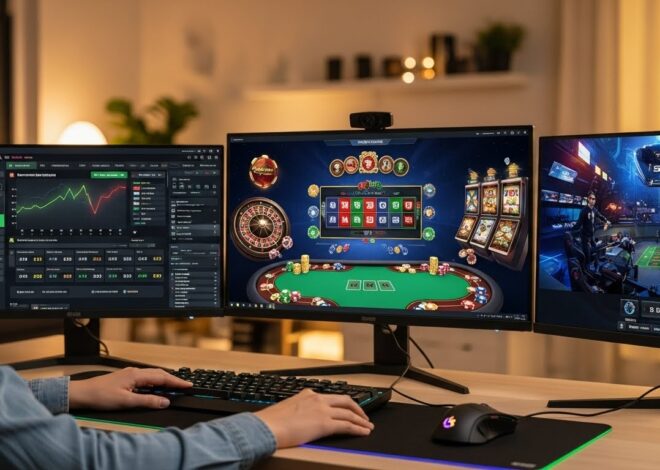

iGaming Unleashed: How Digital Gaming is Reshaping Entertainment
Introduction: The Rise of iGaming
iGaming, short for “interactive gaming,” refers to online gambling, casino games, sports betting, and other digital gaming experiences. Over the last decade, iGaming has evolved from a niche market into a global entertainment powerhouse. The combination of accessible technology, mobile platforms, and immersive experiences has made online gaming a mainstream activity for millions worldwide. Beyond entertainment, iGaming has created economic opportunities, shaped regulatory frameworks, and transformed how people interact with digital platforms.
The growth of iGaming is driven by convenience, variety, and innovation. Players no longer need to visit physical casinos or betting shops; they can enjoy games anytime, anywhere, from the comfort of their homes. As technology continues to evolve, iGaming promises an even more immersive and engaging future.
The Origins of iGaming
The roots of iGaming trace back to the late 1990s when the first online casinos appeared. Early platforms offered simple digital versions of traditional casino games, such as blackjack, roulette, and poker. These platforms were revolutionary, providing players with access to gaming without leaving their homes.
Sports betting also moved online, allowing users to place wagers on football, horse racing, and other events through web-based interfaces. While these early platforms were limited in scope and graphical design, they laid the foundation for the modern iGaming industry. Over time, advancements in internet technology, mobile devices, and software development dramatically enhanced the user experience, making online gaming increasingly realistic and interactive.
The Role of Technology in iGaming
Technology is the backbone of iGaming. Advanced software, secure payment systems, and real-time connectivity ensure a seamless gaming experience. Game developers use sophisticated programming and graphic design to create immersive environments, realistic animations, and engaging gameplay mechanics.
Random Number Generators (RNGs) play a critical role in ensuring fairness in online casino games. These algorithms simulate randomness, replicating the unpredictability of physical gaming machines. Additionally, mobile apps and responsive websites allow players to access games from smartphones and tablets, further expanding the reach of iGaming. Cloud technology ensures smooth performance, allowing multiple players to engage simultaneously without interruptions.
Popular iGaming Genres
iGaming encompasses a wide variety of experiences. Some of the most popular genres include:
Online Casinos: Digital versions of traditional casinos, including slot machines, blackjack, roulette, baccarat, and poker. These platforms often feature live dealer games, combining the excitement of physical casinos with digital accessibility.
Sports Betting: Online sports betting platforms allow users to place wagers on football, basketball, horse racing, esports, and other events. Advanced analytics, odds calculators, and live updates enhance the experience for sports enthusiasts.
Esports Betting: The growing popularity of esports has created a niche for betting on competitive gaming events. Players can wager on outcomes of tournaments in games like League of Legends, Dota 2, and Counter-Strike.
Lottery and Bingo: Digital lottery and bingo platforms provide traditional gaming experiences with modern convenience, offering large jackpots and interactive features.
Each genre caters to different audiences, yet all share the core elements of entertainment, strategy, and the potential for rewards.
Mobile Gaming and Accessibility
Mobile technology has been a game-changer for iGaming. Smartphones and tablets allow players to access platforms anytime, anywhere. Mobile apps are optimized for touchscreens, offering intuitive controls and seamless navigation.
The rise of mobile gaming has democratized access, enabling players from diverse regions to participate. Features like instant deposits, push notifications, and mobile-exclusive promotions further enhance engagement. Mobile technology also enables developers to create innovative gameplay experiences, such as augmented reality slots or interactive betting interfaces.
Live Dealer Games: Bringing Casinos to Your Screen
One of the most significant innovations in iGaming is live dealer games. These games stream real dealers from studios or casino floors, allowing players to participate in real-time. Players can interact with dealers, chat with other participants, and witness the action as it unfolds.
Live dealer games bridge the gap between online and physical casinos, combining convenience with realism. They offer transparency, authenticity, and social interaction, elements often missing in traditional digital games. The popularity of live dealer games demonstrates how technology can elevate user experience, making online platforms feel dynamic and engaging.
The Business of iGaming
iGaming has developed into a multi-billion-dollar industry. Revenue streams include game sales, betting commissions, subscription fees, advertising, and affiliate marketing. Major companies invest heavily in software development, customer support, marketing, and regulatory compliance.
The industry has also attracted global investment. Corporations and venture capitalists recognize the potential of online gaming as a sustainable and profitable sector. Licensing and regulation are crucial components, ensuring that platforms operate legally and maintain player trust. The economic impact of iGaming extends beyond companies; it creates employment opportunities in software development, marketing, data analytics, and customer support.
Regulation and Legal Considerations
Regulation is a critical aspect of iGaming. Countries differ in how they approach online gaming, with some permitting it freely and others imposing restrictions or bans. Regulatory frameworks are designed to protect players, ensure fair play, and prevent illegal activities such as money laundering.
Licensing authorities monitor platforms, review game fairness, and enforce responsible gambling policies. Compliance with regulations builds credibility and attracts players who seek secure and transparent platforms. The evolving legal landscape of iGaming highlights the importance of governance in balancing innovation with safety and fairness.
Responsible Gambling and Player Protection
As iGaming grows, responsible gambling initiatives have become essential. Platforms implement features like deposit limits, self-exclusion tools, and session reminders to encourage safe play. Players are educated about the risks of excessive gambling and provided with resources to seek help if needed.
Responsible gambling is not only ethical; it also protects the longevity of the industry. By promoting safe gaming practices, platforms maintain trust and create sustainable relationships with players. Technology plays a key role in monitoring behavior, detecting patterns of problematic play, and supporting interventions when necessary.
The Role of Artificial Intelligence in iGaming
Artificial intelligence is transforming iGaming by enhancing user experience, personalizing gameplay, and improving security. AI algorithms analyze player behavior, offering tailored game recommendations and promotions. Machine learning helps optimize odds, detect fraudulent activity, and maintain fairness.
AI-powered chatbots provide instant customer support, handling queries efficiently and improving player satisfaction. In live dealer and sports betting platforms, AI enables real-time analytics and predictive insights, creating a more engaging and dynamic gaming environment.
The Future of iGaming
The future of iGaming promises even more innovation. Virtual reality (VR) and augmented reality (AR) are set to redefine online casinos, offering fully immersive experiences where players can navigate virtual casino floors, interact with other players, and feel as though they are physically present.
Blockchain technology is also influencing iGaming, providing transparent, secure, and decentralized systems for transactions and smart contracts. Cryptocurrencies allow faster deposits, withdrawals, and international accessibility, enhancing convenience for players globally.
Esports betting will continue to grow, reflecting the rising popularity of competitive gaming. Gamification, social interaction, and interactive storytelling are likely to shape the next generation of iGaming platforms, blending entertainment, technology, and social experiences seamlessly.
Conclusion: iGaming as a Digital Entertainment Powerhouse
iGaming has evolved from simple online casinos into a sophisticated, technology-driven entertainment ecosystem. It combines gaming, betting, social interaction, and immersive experiences to engage millions of players worldwide. The industry thrives on innovation, leveraging AI, mobile technology, live streaming, and blockchain to enhance convenience, security, and engagement.
As iGaming continues to grow, responsible gambling, regulatory compliance, and ethical practices remain essential to ensure a sustainable and enjoyable experience for players. The future promises even more exciting advancements, with virtual reality, augmented reality, and blockchain reshaping the landscape of digital gaming. iGaming is no longer just a pastime—it is a major force in global entertainment, blending technology, strategy, and human interaction in unprecedented ways.