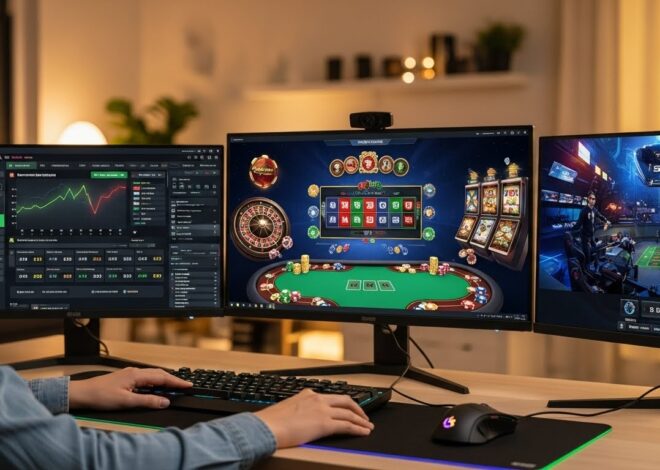

Responsible Gaming Practices
The world of gaming, whether traditional, digital, or online gambling, has evolved into one of the most influential forms of global entertainment. From casual mobile players to professional esports athletes, millions of people engage with games every day. Yet, as the gaming industry grows, so do the challenges that come with it—particularly those concerning responsibility, ethics, and player well-being.
Responsible gaming practices are now at the heart of conversations surrounding the future of gaming. These practices aim to ensure that players enjoy games safely, manage their time and money wisely, and maintain a healthy relationship with gaming as a form of entertainment rather than compulsion.
In this blog, we will explore what responsible gaming means, why it matters, and how both players and the gaming industry can work together to create a sustainable and safe gaming environment for everyone.
Understanding Responsible Gaming
Responsible gaming is a broad term that encompasses all actions taken by players, companies, and regulators to promote safe and enjoyable gaming experiences. It applies to video games, esports, and online gambling alike.
At its core, responsible gaming is about balance—the ability to engage with gaming in a way that enhances life, rather than disrupts it. It ensures that gaming remains a positive outlet for creativity, competition, and relaxation without leading to financial stress, addiction, or mental exhaustion.
The key principles of responsible gaming include:
- Awareness of gaming habits and limits.
- Maintaining financial and time boundaries.
- Protecting vulnerable players, including minors.
- Encouraging fair play and ethical behavior.
- Promoting mental health and balance between gaming and real life.
These principles benefit not only individual players but also the wider community and the gaming industry itself.
The Growth of Gaming and Its Implications
The rise of gaming as a mainstream entertainment form has been extraordinary. What began as a niche hobby in the 1970s has now become a multibillion-dollar global industry. From console gaming and PC titles to mobile games and esports tournaments, gaming has integrated itself into modern culture.
However, with such massive growth comes responsibility. The accessibility of gaming—especially through smartphones and online platforms—means that people of all ages and backgrounds can play at any time. While this democratization of gaming is positive, it also increases the risk of excessive use, compulsive spending, and unhealthy gaming behaviors.
Online gaming and gambling, in particular, blur the line between entertainment and risk. Microtransactions, loot boxes, and competitive ranking systems can create psychological triggers similar to those found in gambling, leading to compulsive behaviors. Recognizing and addressing these challenges is essential for promoting responsible gaming practices.
The Psychology Behind Gaming Behavior
To understand why responsible gaming practices are necessary, it’s important to explore the psychology behind gaming.
Games are designed to engage players through rewards, progression, and challenges. This sense of achievement releases dopamine—the brain’s “feel-good” chemical. While this is natural and enjoyable, it can become problematic when players start chasing these rewards compulsively.
Game developers often use mechanics like daily logins, reward systems, and time-limited events to increase engagement. While these features enhance entertainment value, they can also create pressure to play continuously. The desire to “keep up” or maintain streaks can lead to overuse, burnout, and neglect of real-life responsibilities.
Responsible gaming therefore requires awareness—not just from players but also from developers—to ensure that the psychological design of games supports healthy engagement.
Common Risks of Irresponsible Gaming
Irresponsible gaming does not happen overnight. It develops gradually as players lose sight of moderation. Some common risks include:
Gaming Addiction
Gaming addiction occurs when playing becomes compulsive, taking precedence over work, school, and social life. Players may lose track of time, skip meals, and isolate themselves from family and friends.
Financial Strain
In online gaming and gambling, spending can quickly escalate. Microtransactions, in-game purchases, and loot boxes can tempt players to spend beyond their means. In gambling contexts, chasing losses can lead to significant financial distress.
Mental and Physical Health Issues
Excessive gaming can cause mental fatigue, anxiety, and even depression. Physically, long hours in front of screens can lead to eye strain, poor posture, and sleep deprivation.
Social Isolation
While online games foster digital communities, excessive engagement can reduce real-world interactions. Players may become disconnected from their families and friends, leading to loneliness and reduced emotional support.
Decline in Academic or Work Performance
Unregulated gaming can interfere with responsibilities, reducing productivity and focus. Students may struggle with school performance, and adults may find their work-life balance deteriorating.
Recognizing these warning signs early is critical to maintaining control and promoting responsible play.
Setting Personal Gaming Boundaries
One of the most effective ways to practice responsible gaming is by establishing personal boundaries. These boundaries ensure that gaming remains an enjoyable part of life rather than a dominating force.
Time Management
Setting time limits is essential. Players can schedule dedicated gaming hours and take regular breaks to prevent fatigue. Using reminders or timers helps maintain control and balance.
Budgeting for Gaming
Financial responsibility is equally important. Players should allocate a specific budget for gaming-related expenses and avoid spontaneous purchases. In gambling contexts, setting deposit and spending limits can prevent losses from escalating.
Recognizing Triggers
Understanding emotional triggers is crucial. Many players turn to gaming to escape stress or loneliness. While this can be a temporary relief, it can also lead to dependency. Identifying and managing these triggers helps maintain a healthy mindset.
Prioritizing Other Activities
A balanced lifestyle includes physical activity, social interaction, and relaxation outside of gaming. Diversifying hobbies ensures that gaming remains just one of many fulfilling experiences.
The Role of Game Developers in Promoting Responsibility
The responsibility for safe gaming doesn’t rest solely on players—developers and publishers play a crucial role too. Game companies have the power to design systems that encourage moderation, transparency, and fairness.
Ethical Game Design
Developers can design games that prioritize enjoyment over exploitation. Avoiding manipulative reward systems, misleading advertisements, or pay-to-win mechanics ensures fair experiences for all players.
Transparent Monetization
Microtransactions and loot boxes should be clearly labeled with real costs and probabilities. Transparency helps players make informed choices and prevents unintentional overspending.
In-Game Time Tracking
Many modern games now include time trackers or reminders that notify players of how long they have been playing. These features promote awareness and self-regulation.
Parental Controls
Developers can integrate parental control features, allowing guardians to monitor and limit playtime, spending, and content exposure. Protecting young players from harmful influences is a key aspect of responsible gaming.
Mental Health Awareness
Some gaming platforms collaborate with mental health organizations to provide resources for players who may struggle with addiction or emotional challenges. By normalizing these discussions, the industry helps break stigma and promote well-being.
The Importance of Education and Awareness
Education is a cornerstone of responsible gaming. Players, parents, and communities must understand the potential risks and best practices to create a healthy gaming environment.
Teaching Responsible Habits
Workshops, school programs, and online campaigns can teach children and teens about balance, online safety, and critical thinking in digital environments.
Parental Involvement
Parents should actively engage with their children’s gaming interests. Playing together and discussing boundaries fosters trust and helps parents identify early signs of problematic behavior.
Community Support
Online communities and forums can provide peer support for responsible gaming. Sharing tips, experiences, and reminders about balance helps normalize healthy gaming habits.
Media and Public Awareness
Mainstream media can play a positive role by highlighting both the benefits and risks of gaming. Balanced reporting encourages informed discussions rather than stigmatizing players.
The Connection Between Esports and Responsibility
Esports, or competitive gaming, has become a global phenomenon with millions of fans and players. However, the high-pressure environment of professional gaming makes responsible practices even more critical.
Managing Mental Health in Esports
Esports athletes face intense schedules, performance anxiety, and public scrutiny. Teams and organizations must provide mental health support, counseling, and adequate rest periods to prevent burnout.
Encouraging Balance
Aspiring esports players often spend countless hours practicing. Coaches and mentors should promote structured training schedules that include exercise, rest, and nutrition to maintain overall well-being.
Ethical Competition
Fair play and sportsmanship are vital. The use of cheats, performance-enhancing substances, or match-fixing not only damages careers but also harms the reputation of the entire esports ecosystem.
By integrating responsible gaming principles into esports, the industry can ensure longevity and respectability.
The Role of Governments and Regulatory Bodies
Governments and international organizations play a vital role in enforcing responsible gaming standards. Regulations ensure that gaming companies uphold ethical practices and protect vulnerable players.
Age Restrictions and Verification
Legal age limits for gambling and mature games prevent underage exposure to harmful content. Effective age verification systems reduce the risk of minors accessing inappropriate material.
Advertising Guidelines
Regulatory bodies can monitor how gaming and gambling products are marketed. Misleading promotions, particularly those targeting minors or vulnerable populations, should be restricted.
Data Privacy
As gaming becomes more connected, data privacy becomes crucial. Responsible companies must safeguard player information and prevent misuse.
Support and Rehabilitation Programs
Governments can fund initiatives to support individuals affected by gaming or gambling addiction. Accessible counseling and treatment options help players regain control of their lives.
Technology and the Future of Responsible Gaming
Technology itself can be a powerful ally in promoting responsible gaming. Artificial intelligence, data analytics, and machine learning are increasingly being used to detect and prevent problematic behavior.
AI Monitoring
AI systems can identify unusual patterns, such as excessive playtime or spending, and send alerts or suggest breaks. This proactive approach helps players stay aware of their habits.
Self-Exclusion Tools
Online platforms can offer self-exclusion features that allow players to voluntarily block access for a set period. This empowers players to take control of their gaming activity.
Mobile Apps and Tracking Tools
Apps designed for healthy digital habits can track gaming time, set daily limits, and provide motivational reminders to take breaks or engage in other activities.
Biometric Technology
Emerging technologies like eye-tracking and posture analysis can alert players to fatigue or stress, helping them make healthier choices.
As these innovations evolve, the future of responsible gaming looks promising, blending entertainment with care and accountability.
The Balance Between Enjoyment and Responsibility
At its heart, gaming is meant to be fun—a source of joy, challenge, and connection. Responsible gaming does not mean limiting enjoyment; it means sustaining it.
By embracing responsible habits, players can ensure that gaming remains a positive part of their lives. They can experience the thrill of victory, the satisfaction of progress, and the companionship of fellow gamers without negative consequences.
For developers and companies, promoting responsibility builds trust and strengthens the industry’s reputation. An ethical approach creates loyal communities and long-term sustainability.
Ultimately, responsible gaming benefits everyone—players, families, and the gaming ecosystem as a whole.
Conclusion
The evolution of gaming has brought endless excitement, creativity, and opportunity to millions worldwide. Yet, as with any powerful medium, responsibility must accompany growth.
Responsible gaming practices serve as the foundation for a healthier and more sustainable gaming culture. They remind players to set boundaries, developers to act ethically, and societies to foster awareness and support.
The goal is not to restrict gaming but to preserve its joy, creativity, and potential. Through balance, transparency, and education, we can ensure that gaming continues to inspire, entertain, and connect people across generations.
In the end, the future of gaming depends not only on technology or innovation but also on responsibility. When players, creators, and communities embrace mindful gaming habits, the industry thrives—not just as entertainment but as a force for positive, meaningful human connection.