
The Evolution of iGaming: Understanding its Impact, Trends, and Future
The world of gaming has undergone massive changes in recent decades, driven by advances in technology, accessibility, and regulation. One of the most significant shifts has been the rise of iGaming—a term that refers to the online gambling industry, encompassing everything from online casinos and sports betting to poker and virtual gaming. As the iGaming sector continues to grow, it has reshaped the entertainment landscape, creating new opportunities for players and businesses alike. In this blog post, we will explore the evolution of iGaming, its current trends, the challenges it faces, and what the future holds for this thriving industry.
What is iGaming?
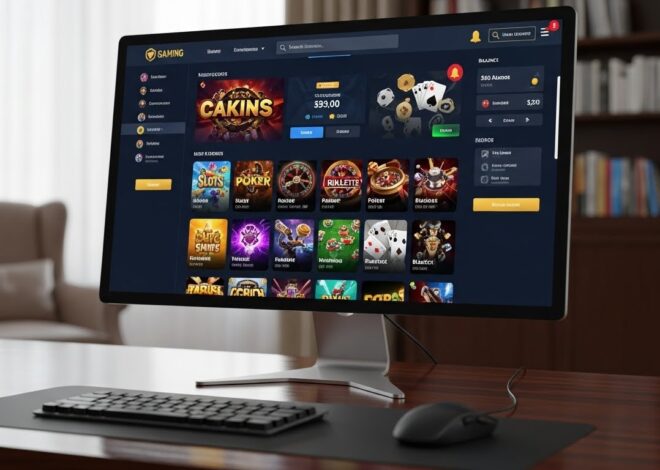
Before diving deeper into its impact and future, it’s important to define what iGaming is. In simple terms, iGaming refers to any gambling activity that takes place online. This includes games of chance like slots, poker, and roulette, as well as sports betting and virtual sports. Unlike traditional land-based gambling, which requires players to visit physical casinos or betting establishments, iGaming allows people to gamble from the comfort of their own homes via desktops, laptops, or mobile devices.
The iGaming sector is a global industry that serves millions of players worldwide, with the majority of the market concentrated in regions like Europe, Asia, and North America. The ease of access and the wide variety of games have made it incredibly popular, attracting both casual players and high-stakes gamblers.
The Growth of iGaming: A Brief History
The rise of iGaming can be traced back to the mid-1990s when the first online casinos were launched. The first-ever online gambling site, InterCasino, went live in 1996, allowing players to enjoy virtual casino games for the first time. Around the same time, the Free Trade & Processing Act was passed in Antigua and Barbuda, establishing the legal framework that allowed online gambling operators to set up businesses and offer games to players worldwide.
Since then, the iGaming industry has experienced rapid growth, driven by several factors:
- Technological Advancements: The widespread availability of the internet, faster broadband speeds, and the proliferation of smartphones have made online gambling more accessible than ever before.
- Better User Experience: The development of high-quality graphics, immersive gameplay, and real-time video streaming has significantly improved the user experience, making it feel like players are in a real casino.
- Regulation: Many countries and regions have introduced regulatory frameworks to govern online gambling, providing a level of trust and safety for players and operators alike.
- Changing Attitudes: As gambling became more socially accepted and integrated into mainstream entertainment, more people began to embrace iGaming as a form of recreation.
These factors have allowed the iGaming market to evolve into a multi-billion-dollar industry, with global revenues projected to reach $127.3 billion by 2027, according to various industry reports.
Key Trends Shaping the iGaming Industry
As the iGaming sector continues to grow, several key trends are emerging that are reshaping the way people engage with online gambling platforms. Below are some of the most prominent trends:
1. Mobile Gaming Takes the Lead
With smartphones and tablets becoming an integral part of daily life, mobile gaming has rapidly become the dominant platform for iGaming. According to reports, nearly 70% of online gambling occurs via mobile devices, with players increasingly preferring to place bets or play their favorite casino games on the go.
Mobile gaming is favored due to its convenience, allowing users to play anytime, anywhere, whether they’re commuting, relaxing at home, or on vacation. Additionally, the improved capabilities of modern smartphones and tablets have made it possible to offer high-quality gaming experiences, including live dealer games, which were once limited to desktop platforms.
2. Live Dealer Games and Interactive Gambling
Live dealer games have brought a new level of excitement to the world of online casinos. These games involve real human dealers who interact with players in real time, offering a more immersive experience that bridges the gap between traditional land-based casinos and online platforms.
Live dealer games are typically streamed from professional studios or actual casino floors, and players can interact with the dealers and other players via live chat. The appeal of live dealer games lies in their ability to recreate the social atmosphere of a physical casino while still offering the convenience of playing from home.
3. Esports Betting: The New Frontier
Esports has exploded in popularity over the last decade, and this trend has also impacted the iGaming world. Esports betting allows players to place bets on competitive video games such as League of Legends, Dota 2, and Counter-Strike: Global Offensive. This niche has rapidly expanded, with a growing number of sportsbooks and iGaming platforms offering betting markets for major esports tournaments.
As the esports industry continues to attract a younger, tech-savvy audience, it is expected that esports betting will become an increasingly prominent segment of the iGaming industry.
4. Cryptocurrency and Blockchain Integration
The integration of cryptocurrencies like Bitcoin, Ethereum, and Litecoin into the iGaming space is another exciting development. Cryptocurrency offers numerous benefits for online gambling, including faster transactions, enhanced privacy, and reduced transaction fees.
Moreover, blockchain technology has the potential to revolutionize the iGaming industry by offering greater transparency and fairness. Players can verify the fairness of games through blockchain-based smart contracts, ensuring that results are not tampered with. Some online casinos have already begun implementing blockchain technology, and its adoption is likely to increase in the coming years.
5. Regulation and Licensing
As the iGaming industry grows, governments around the world have recognized the need to regulate the sector. In many countries, online gambling is now legal and regulated, providing players with protection against fraud and ensuring that operators adhere to certain standards of fairness and responsibility.
Licensing plays a crucial role in maintaining the integrity of the industry. Reputable jurisdictions like Malta, Gibraltar, and the UK offer licenses to operators, ensuring that they meet specific standards and provide a safe and fair environment for players.
However, regulatory challenges remain in regions where online gambling is either restricted or outright banned. This creates a patchwork of regulations that operators must navigate to ensure compliance and avoid legal risks.
Challenges Facing the iGaming Industry
Despite the rapid growth and numerous opportunities, the iGaming industry faces a number of challenges that could affect its long-term success.
1. Problem Gambling and Responsible Gaming
One of the most significant concerns in the iGaming world is the issue of problem gambling. With the rise of online platforms, gambling has become more accessible, leading to increased risks for individuals who may develop addictive behaviors. Operators are under increasing pressure to implement responsible gambling measures, such as self-exclusion options, deposit limits, and access to counseling services.
2. Cybersecurity Risks
As with any online industry, cybersecurity is a major concern for iGaming operators and players alike. The sensitive nature of financial transactions, personal information, and player data makes iGaming platforms prime targets for cybercriminals. Protecting against hacking attempts, data breaches, and fraudulent activities is essential to maintaining the trust of players and the integrity of the industry.
3. Legal and Regulatory Uncertainty
While regulation is essential for ensuring fairness and safety, the legal landscape surrounding iGaming is often fragmented and subject to rapid changes. In some countries, online gambling is banned, while in others, it is only allowed under strict conditions. The lack of uniformity in iGaming laws creates challenges for operators who must navigate complex legal frameworks to reach new markets and ensure compliance.
The Future of iGaming
The future of iGaming looks incredibly promising, with advancements in technology and changing consumer behaviors continuing to shape the industry. Some of the key developments we can expect to see include:
- Virtual Reality (VR) Casinos: As VR technology matures, it could transform the online gambling experience by offering fully immersive virtual casinos where players can interact with each other and their environment in 3D.
- AI and Personalization: Artificial intelligence will play a major role in personalizing the gaming experience. AI can analyze player preferences and behaviors, allowing operators to offer tailored recommendations and promotions.
- Global Expansion: As more countries legalize online gambling and the iGaming market matures, the industry will continue to expand into new regions, creating a more globalized marketplace.
Conclusion
The iGaming industry has come a long way since its inception in the mid-1990s, evolving into a global powerhouse that continues to push the boundaries of entertainment. With the advent of new technologies, increased regulation, and changing player preferences, the future of iGaming is both exciting and uncertain. Operators must continue to innovate, provide a safe environment for players, and adapt to the ever-evolving landscape to ensure long-term success. Whether you are a casual player or an industry professional, the iGaming world is one to watch as it continues to shape the future of entertainment.