
The Rise of iGaming: Exploring the Future of Digital Entertainment and Gambling
In recent years, the world of online gaming and digital gambling—collectively known as iGaming—has undergone a dramatic transformation. What was once a niche industry for a small segment of tech-savvy gamers has rapidly evolved into a global phenomenon. With its blend of entertainment, skill, and risk, iGaming has captivated millions of people worldwide, becoming an integral part of the digital entertainment landscape.
This blog post delves into the exciting world of iGaming, exploring its origins, growth, current trends, and the technologies shaping its future. Whether you’re a casual player or a seasoned gambler, this post will offer a comprehensive look at how iGaming is changing the way we think about gaming, entertainment, and even online culture.
What is iGaming?
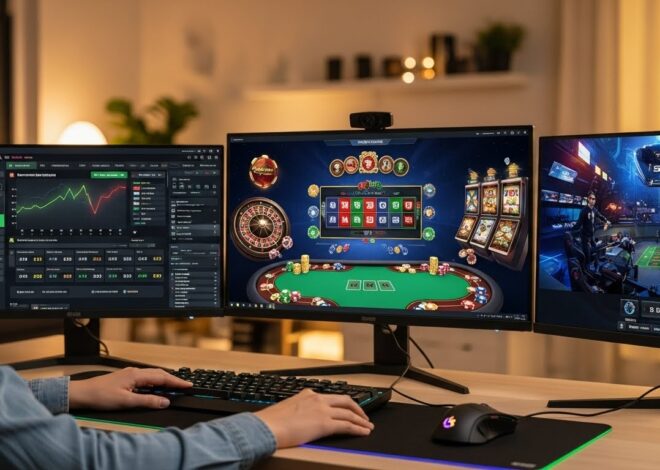
Before diving deeper, it’s essential to understand exactly what iGaming is. At its core, iGaming refers to all forms of online gaming that involve betting or gambling. This includes a wide variety of digital games, such as online casino games, poker, sports betting, eSports betting, and virtual sports. iGaming encompasses both games of chance (like slots and roulette) and games of skill (like poker and blackjack).
While traditional forms of gambling—like physical casinos and sports betting—have been around for centuries, iGaming leverages the power of the internet to provide a more accessible and flexible way for people to engage with gambling from anywhere in the world.
The iGaming industry is often broken down into different categories, including:
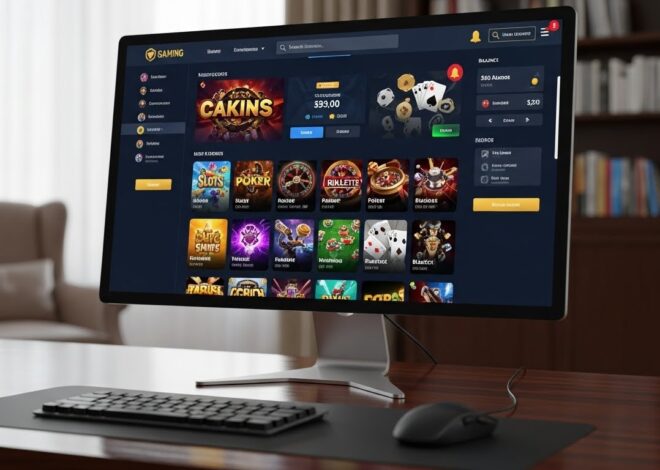
- Online Casino Games: These are digital versions of traditional casino games such as slots, blackjack, poker, and roulette. Players can enjoy these games from the comfort of their homes on their computers or mobile devices.
- Sports Betting: iGaming has transformed sports betting by offering a range of betting options on a variety of sports, from football to esports. With real-time odds, in-play betting, and live streaming, online sportsbooks have revolutionized the way people wager on their favorite teams and events.
- Poker: Online poker rooms provide players with the opportunity to compete against others worldwide in games ranging from Texas Hold’em to Omaha. Tournaments like the World Series of Poker (WSOP) have successfully transitioned online, attracting huge player pools.
- eSports Betting: As eSports (competitive video gaming) has grown in popularity, so has eSports betting. Players can wager on professional gamers, teams, and tournaments in games such as League of Legends, Counter-Strike: Global Offensive, and Dota 2.
The Early Days of Online Gambling
The concept of iGaming can be traced back to the mid-1990s, when the internet first started to make its way into homes worldwide. The first online casinos and poker rooms appeared during this time, with companies like Microgaming and Cryptologic being pioneers in the space.
In 1994, the Free Trade and Processing Act was passed in Antigua and Barbuda, which allowed online gambling operators to set up in the country legally. This legislation marked the official birth of the online gambling industry, providing a legal framework for businesses to operate and grow in the digital world.
The first online casino to launch was InterCasino in 1996, followed closely by the launch of PokerStars in 2001, which quickly became one of the largest online poker platforms globally. These early ventures laid the foundation for the massive expansion of iGaming in the years that followed.
However, the industry faced some significant challenges. While iGaming operators quickly gained traction, the legal and regulatory landscape was fragmented. Different countries adopted varying approaches to regulating online gambling, and some countries outright banned it. Despite these hurdles, the industry continued to grow, largely due to its convenience and accessibility.
The Growth and Expansion of iGaming
As internet speeds increased and mobile devices became more powerful, the iGaming industry experienced exponential growth. What started as a niche market for early adopters has evolved into a multibillion-dollar global industry. By 2023, the global online gambling market was valued at over $60 billion, with projections indicating that this number could reach over $120 billion by 2028.
Several factors contributed to the rapid growth of iGaming:
1. Mobile Gaming Revolution
The proliferation of smartphones and tablets has had a profound impact on the iGaming industry. Mobile gaming allows players to engage in online gambling anytime and anywhere, creating a more immersive and accessible experience. Many online casinos and sports betting platforms now offer mobile-friendly websites or dedicated apps, allowing users to gamble on the go.
2. Live Dealer Games
One of the most exciting developments in the iGaming sector has been the introduction of live dealer games. These games bridge the gap between online gambling and the authentic, in-person casino experience. Players can interact with real-life dealers through live streaming video, offering a more realistic experience compared to traditional random number generator (RNG) games. Popular live dealer games include blackjack, baccarat, and roulette.
3. Game Innovation and Graphics
As competition increased, online casinos began offering a wider variety of games with more immersive experiences. Newer games feature cutting-edge graphics, interactive elements, and themed gameplay, making them more appealing to a broader audience. The rise of virtual reality (VR) and augmented reality (AR) technologies is also beginning to impact the industry, providing players with fully immersive gambling experiences.
4. Regulation and Legalization
Over the past decade, many governments worldwide have embraced the potential of iGaming and begun regulating the industry. Legalized sports betting, in particular, has experienced a massive surge, especially after the United States Supreme Court struck down the federal ban on sports betting in 2018. As more regions move toward legalization, the industry’s growth is expected to continue.
In Europe, countries like the United Kingdom and Malta have long been considered hubs for regulated iGaming, with licensing authorities ensuring a high standard of player protection. Similarly, in Canada, Australia, and certain parts of Asia, iGaming has become a fully legalized and regulated industry.
The Role of Technology in Shaping iGaming
The iGaming sector is deeply intertwined with technological advancements. Several technological innovations have played key roles in shaping the evolution of the industry, making it more engaging, secure, and accessible.
1. Blockchain and Cryptocurrency
Blockchain technology has made its mark on the iGaming industry by offering transparency, security, and fairness. Blockchain-based platforms are being explored for online casinos, where transactions can be verified and recorded on decentralized ledgers. Cryptocurrencies like Bitcoin and Ethereum have also gained popularity as payment methods in online gambling, allowing for fast and anonymous transactions.
2. Artificial Intelligence and Machine Learning
AI and machine learning are revolutionizing the way iGaming platforms operate. These technologies enable platforms to personalize user experiences by offering customized recommendations, dynamic odds, and tailored promotions. AI-powered chatbots and customer service systems are also enhancing the player experience, providing instant support for issues like account management or game inquiries.
3. Virtual Reality and Augmented Reality
As mentioned earlier, VR and AR have the potential to take iGaming to a whole new level. Virtual casinos could offer players the chance to experience a fully immersive gambling environment where they can interact with dealers and other players in real time. Similarly, AR could enhance live sports betting by providing overlays of real-time stats and data during matches.
4. Security and Fairness Technologies
With the rise of online gambling, concerns around security and fairness have become paramount. Players want assurance that their funds are safe and that games are fair. Technologies like encryption, two-factor authentication, and RNGs (Random Number Generators) are critical for ensuring secure and trustworthy gaming experiences.
The Social Aspect of iGaming
One of the key reasons why iGaming has gained so much traction is its ability to foster a sense of community and social interaction. While traditional gambling often involves physical spaces, iGaming platforms offer a social experience that transcends borders. Online poker rooms, multiplayer casino games, and live betting events allow players to compete, chat, and share experiences with others from around the world.
Social media platforms and streaming services like Twitch have also contributed to the growth of iGaming. Gamers and influencers often stream their gameplay, allowing followers to watch and engage with them in real time. This has created a new form of entertainment, where players can showcase their skills, share strategies, and connect with fans.
The Future of iGaming: A World of Possibilities
The future of iGaming is bright, with new technologies, expanded legal frameworks, and a more connected global community driving growth. As VR, AR, and AI continue to advance, we can expect even more engaging and interactive gaming experiences. Additionally, the rise of blockchain and cryptocurrencies could offer a more transparent and secure way to gamble online.
One of the most exciting trends is the continued integration of iGaming with mainstream entertainment. Partnerships between iGaming operators and popular media franchises could bring new themed games and betting opportunities to players. Furthermore, esports will continue to play an increasingly prominent role in the iGaming ecosystem, with more events, tournaments, and betting options becoming available.
In conclusion, iGaming is poised to remain a major player in the digital entertainment industry. As technology evolves and the legal landscape shifts, the ways in which we engage with online gambling will continue to change. Whether you’re a fan of casino games, poker, or sports betting, the future of iGaming is full of potential—and it’s only just getting started.