
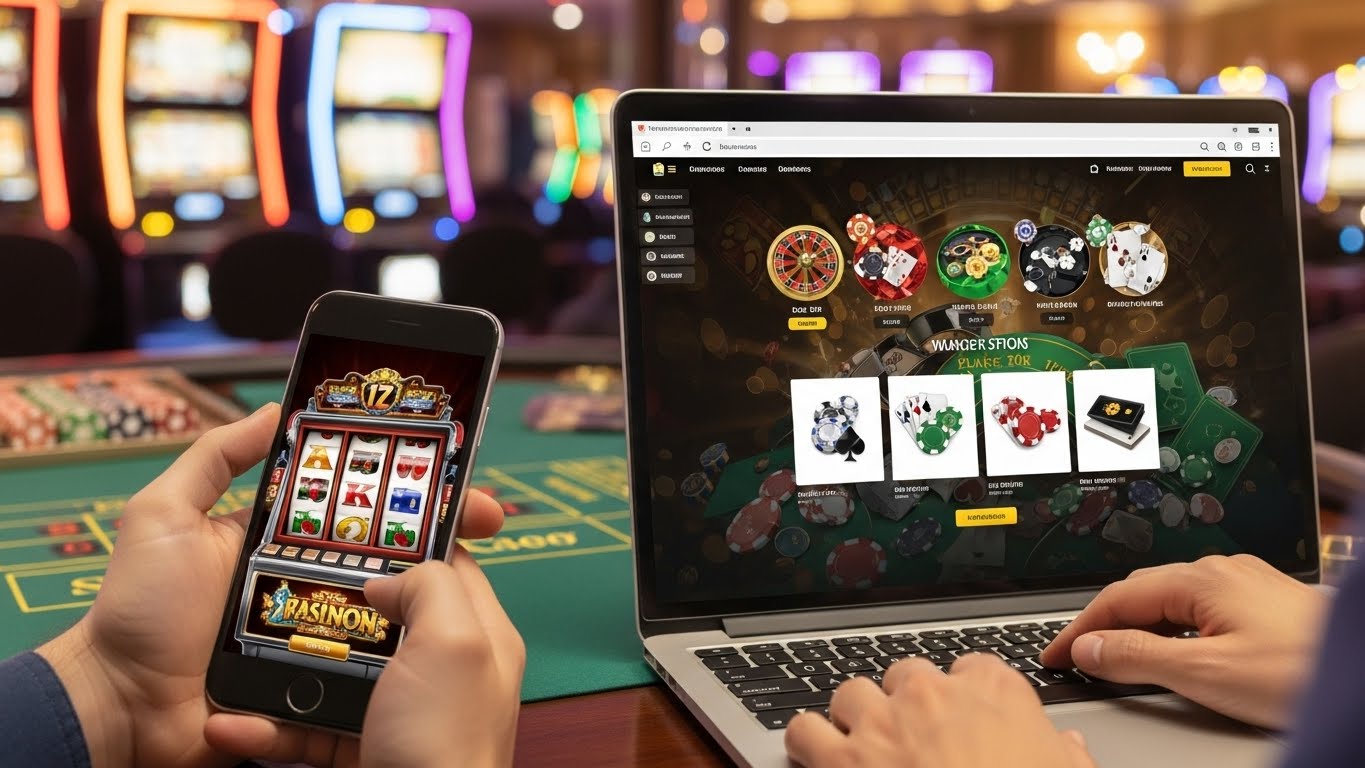
The Rise of iGaming: Revolutionizing the World of Online Entertainment
In recent years, iGaming has experienced an extraordinary surge in popularity, becoming one of the most dynamic and lucrative sectors in the entertainment industry. From online casinos to virtual sports betting, iGaming has evolved from a niche pastime into a global phenomenon. What once began as a simple form of entertainment has now transformed into a vast, multi-billion-dollar industry, driven by technological advancements, changing regulations, and an increasingly connected world. This blog post will explore the rise of iGaming, its impact on traditional gambling industries, the technological innovations that are shaping its future, and the challenges and opportunities that lie ahead for players, developers, and regulators alike.
What is iGaming?
At its core, iGaming refers to any type of gaming or gambling conducted online. This encompasses a wide variety of activities, including online casino games (such as slots, poker, and blackjack), sports betting, virtual sports, eSports betting, and even bingo. The industry has gained tremendous momentum in recent years, fueled by the rapid adoption of the internet, the proliferation of smartphones, and advancements in gaming technology.
The key factor that separates iGaming from traditional land-based gambling is accessibility. With just a smartphone or computer and an internet connection, players can access their favorite gambling games anytime, anywhere. This convenience has made online gambling an attractive alternative for individuals seeking a more flexible, immersive, and dynamic gambling experience.
The Growth of the iGaming Industry
The global iGaming market has grown exponentially over the last decade. According to recent reports, the online gambling industry is expected to surpass $100 billion in revenue by 2026. Several factors have contributed to this remarkable growth, and each of them plays a pivotal role in shaping the current landscape.
One of the major drivers of this growth is the increasing acceptance and legalization of online gambling in various jurisdictions. In countries like the United Kingdom, Spain, and New Jersey in the United States, online gambling has been legalized and heavily regulated, leading to greater consumer confidence and market expansion. As more regions embrace regulated iGaming, new players are entering the market, further stimulating its growth.
Another contributing factor is the rise of mobile technology. The widespread use of smartphones and tablets has made it easier for people to gamble while on the go. Mobile apps and responsive websites have created seamless experiences for users, allowing them to place bets or play games during their commute, at home, or even on vacation. With mobile gaming accounting for a significant portion of iGaming revenues, the sector is only expected to continue growing as smartphone penetration increases globally.
iGaming: A Thriving Hub for Technological Innovation
One of the key elements that sets iGaming apart from traditional forms of gambling is the constant wave of technological innovation that drives it. The iGaming industry is often at the forefront of adopting new technologies, which not only improve the gaming experience but also introduce new ways for players to engage with content.
1. Virtual Reality (VR) and Augmented Reality (AR)
Virtual reality and augmented reality have started making significant inroads in the iGaming world. VR casinos, where players can experience a fully immersive gambling environment, have already begun to emerge. These virtual environments simulate the experience of a real-world casino, with 3D graphics and interactive features that bring the games to life in ways never before possible.
AR, on the other hand, is enhancing mobile gaming experiences by overlaying digital information on real-world environments. Imagine using your smartphone to play an augmented reality slot game where the reels spin over your living room coffee table, or engaging in a sports betting game with live, interactive stats overlaid on a live stream.
2. Artificial Intelligence (AI)
Artificial intelligence is playing an increasingly important role in iGaming, both from the perspective of players and operators. AI-powered algorithms are used to analyze vast amounts of data in real time, providing personalized experiences for players. These algorithms can suggest games, promotions, or betting opportunities based on individual preferences and behaviors, creating a more tailored and engaging experience.
AI is also used in responsible gambling initiatives, where algorithms monitor players’ behavior to identify signs of problematic gambling. Operators can then intervene, offering players tools for self-control, setting limits, or even providing support if necessary.
3. Blockchain Technology
Blockchain technology, which underpins cryptocurrencies like Bitcoin, is gaining traction in the iGaming sector. Blockchain allows for transparent and secure transactions, eliminating many of the risks associated with traditional banking methods. Cryptocurrency-based casinos and betting sites are becoming increasingly popular due to the speed, security, and privacy offered by blockchain-based transactions.
Moreover, blockchain technology has the potential to introduce provably fair gaming, where players can verify that the outcomes of games are random and not rigged by the operator. This enhances trust in the platform and fosters a more transparent and reliable gaming environment.
The Appeal of iGaming for Players
For players, iGaming offers numerous advantages over traditional gambling. The first and most obvious advantage is convenience. Online gambling eliminates the need to travel to a physical casino or betting shop, which can be costly and time-consuming. Players can gamble from the comfort of their own homes or on the go, using mobile apps that offer a seamless, user-friendly experience.
Another appeal of iGaming is the variety of games available. Online casinos feature a much wider range of games than traditional land-based casinos, from slots and roulette to poker and baccarat. Many iGaming sites also host live dealer games, which stream real dealers in real time, allowing players to enjoy the casino experience from their own devices.
For sports bettors, iGaming offers a broader range of sports to wager on, including niche markets such as eSports, virtual sports, and even political events. The ability to place bets on any event, from major leagues to obscure tournaments, makes online sports betting an exciting option for fans.
Additionally, iGaming platforms often provide players with attractive bonuses and promotions, such as free spins, welcome bonuses, and loyalty rewards. These incentives can significantly enhance the gaming experience and give players more chances to win without having to deposit large sums of money.
Challenges in the iGaming Industry
Despite its rapid growth and technological advancements, the iGaming industry faces several challenges that could impact its future development. One of the biggest concerns is regulation. While several countries have legalized and regulated online gambling, many regions still have strict or unclear laws surrounding the industry. This fragmented regulatory landscape creates hurdles for operators and can limit the ability of players to access safe, secure platforms.
Responsible gambling is another critical challenge. As iGaming becomes more popular and accessible, the risk of problem gambling increases. Operators and regulators must work together to implement measures that protect vulnerable players, such as self-exclusion tools, betting limits, and age verification systems. The rise of addictive behavior in some players is a concern for both developers and the gambling community at large.
Fraud and cybercrime are also significant risks in the iGaming space. The online gambling industry is often targeted by hackers and fraudsters who attempt to exploit vulnerabilities in software or steal sensitive information. As iGaming continues to grow, developers must prioritize cybersecurity and implement robust measures to ensure player data is kept safe.
The Future of iGaming
Looking ahead, the future of iGaming is both exciting and unpredictable. As technology continues to advance, players can expect even more immersive, interactive, and personalized experiences. Virtual reality and augmented reality will likely play a more significant role in transforming how players interact with online games, while blockchain technology will continue to enhance transparency and security.
The expansion of regulated markets worldwide will also create new opportunities for iGaming operators and players alike. Countries that have previously been hesitant to embrace online gambling may begin to legalize and regulate the industry, increasing the size of the global market and attracting new players.
However, with growth comes responsibility. The iGaming industry will need to continue focusing on responsible gambling practices, player protection, and ensuring fair play in an increasingly competitive environment. Striking the right balance between innovation and regulation will be essential for the continued success of the industry.
Conclusion: The Endless Potential of iGaming
The rise of iGaming has changed the way we think about entertainment, gaming, and gambling. With its combination of convenience, variety, and cutting-edge technology, it’s clear that iGaming is here to stay. As the industry continues to evolve, it will likely become even more integrated into the daily lives of people around the world.
For players, iGaming offers a world of opportunities—whether they’re looking for a quick game of blackjack, a bet on their favorite sports team, or an immersive VR casino experience. For operators, the possibilities for innovation are limitless, and the rapid pace of technological advancements means there’s always something new on the horizon.
Despite the challenges that come with regulation, responsible gambling, and cybersecurity, the iGaming industry’s growth shows no signs of slowing down. As long as players continue to embrace the convenience and thrill of online gaming, and operators maintain a focus on fairness, transparency, and security, iGaming will remain a leading force in the entertainment world for years to come.