
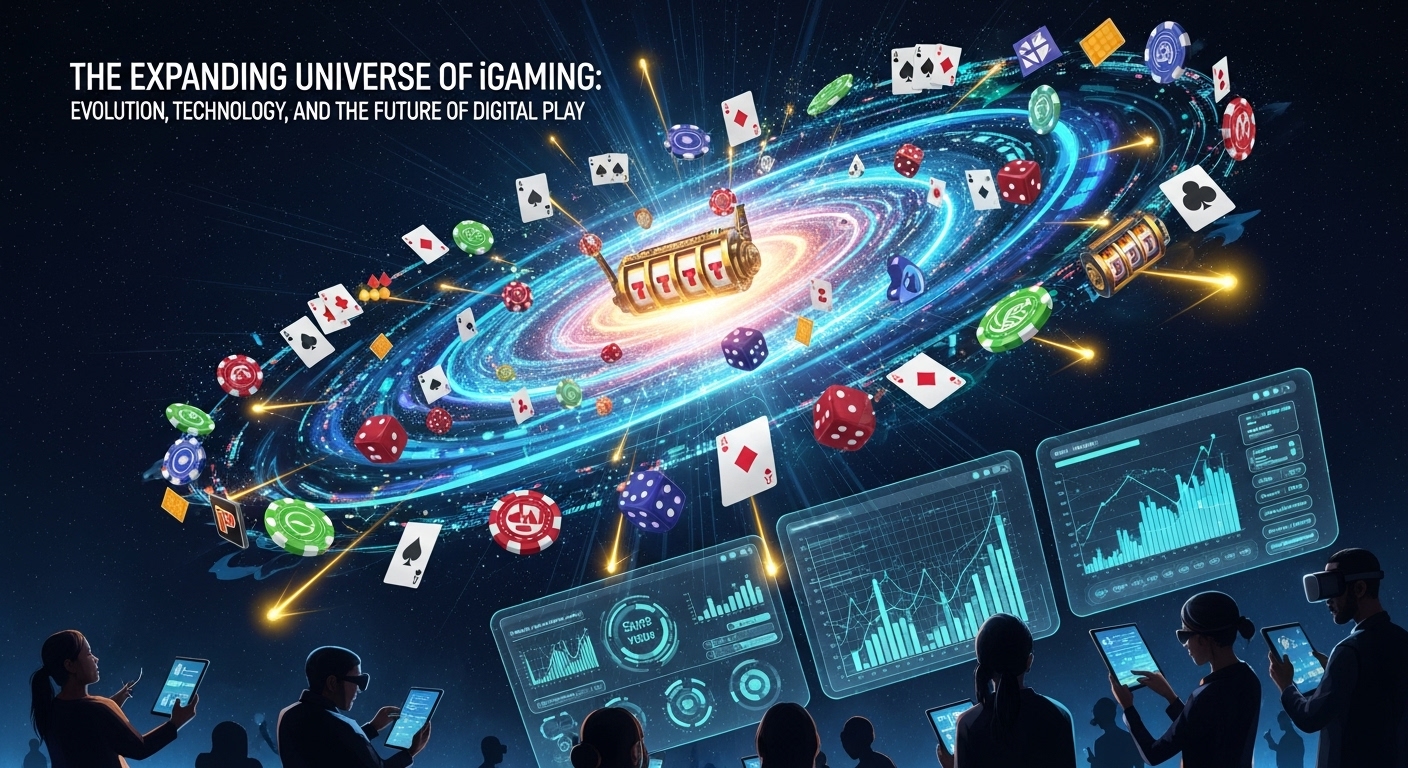
The Thriving World of iGaming: An In-Depth Exploration
iGaming, or internet gaming, has emerged as one of the most dynamic and rapidly evolving industries in the digital era. From the convenience of playing casino games on your mobile device to the thrill of participating in competitive online poker tournaments, iGaming offers entertainment that is accessible, diverse, and constantly innovating. This blog will delve into the many facets of iGaming, including its growth, technology, player engagement, challenges, and future trends.
The Evolution of iGaming
The roots of iGaming can be traced back to the early days of the internet, where simple online poker and casino games first appeared. In the late 1990s, these platforms began to gain popularity as more people connected to the internet, and the first licensed online casinos were launched. The introduction of secure payment gateways and better internet speeds allowed for real-money gaming, which quickly accelerated the industry’s growth.
Over the years, iGaming has transformed from basic web-based games to immersive platforms that include live dealer casinos, virtual sports betting, and mobile-first gaming experiences. This evolution is largely driven by advancements in technology, regulatory developments, and the increasing sophistication of players’ expectations.
The Role of Technology in iGaming
Technology is at the heart of iGaming’s rapid expansion. Modern iGaming platforms leverage cutting-edge software, high-quality graphics, and secure payment systems to provide a seamless user experience.
One of the most notable technological advancements in iGaming is the use of Random Number Generators (RNGs). RNGs ensure that games like slots, blackjack, and roulette operate fairly, generating unpredictable outcomes that mimic the randomness of real-life casino experiences.
Another significant technology is live streaming, which has transformed traditional online casino gaming. Live dealer games allow players to interact with professional dealers in real-time, bridging the gap between virtual and physical casinos. This interactive element not only enhances engagement but also builds trust, as players can see the game unfold before their eyes.
Mobile technology has also had a profound impact on iGaming. Today, most players prefer gaming on smartphones or tablets, and developers have optimized games to deliver smooth experiences across multiple devices. Mobile apps and responsive websites ensure that players can enjoy their favorite games anytime, anywhere.
Diverse Gaming Options
One of the main reasons iGaming has flourished is the wide variety of gaming options it offers. Players can choose from traditional casino games, sports betting, eSports wagering, and virtual sports simulations.
Online Casinos
Online casinos are a cornerstone of the iGaming ecosystem. They offer a vast range of games, including slots, table games, poker, and specialty games. Modern casinos often incorporate themes, storylines, and bonus features to make gameplay more engaging. Progressive jackpots, in particular, have become a major draw for players seeking life-changing wins.
Sports Betting
Sports betting has become increasingly integrated with iGaming. Online sportsbooks provide opportunities to bet on football, basketball, tennis, horse racing, and even niche sports. Live betting, where players place wagers during an event, adds excitement and requires a deep understanding of the sport, its players, and the dynamics of the game.
eSports Betting
eSports has opened a new frontier for iGaming. Competitive video gaming attracts millions of viewers worldwide, and betting on these events has become a popular segment. Players can wager on matches in games like League of Legends, Dota 2, and Counter-Strike: Global Offensive. This niche appeals to a younger demographic that is both tech-savvy and highly engaged in gaming culture.
Virtual Sports
Virtual sports simulations offer players an alternative gaming experience. These computer-generated events, which mimic real sports, are available 24/7 and operate faster than traditional sports betting. While the outcome is determined by RNG technology, the visual presentation and commentary provide a realistic and immersive experience.
Player Engagement and Experience
Engaging players is essential for the success of iGaming platforms. Developers and operators use various strategies to keep users interested and loyal.
Gamification
Gamification has become a major trend in iGaming. By introducing levels, achievements, leaderboards, and rewards, platforms create a sense of progression and accomplishment for players. This approach turns simple gameplay into a more immersive and engaging experience.
Bonuses and Promotions
Bonuses and promotions are another tool used to attract and retain players. Welcome bonuses, free spins, cashback offers, and loyalty programs provide incentives for players to continue engaging with a platform. While these offers are enticing, responsible platforms ensure that terms and conditions are fair and transparent.
Social Interaction
Modern iGaming platforms often incorporate social elements to enhance the gaming experience. Chat features, multiplayer games, and community events allow players to connect and interact, creating a sense of belonging and camaraderie. This social aspect is particularly important in live dealer games and multiplayer tournaments.
Regulation and Responsible Gaming
As iGaming has grown, regulation has become increasingly important. Different countries have established licensing frameworks to ensure fairness, security, and responsible gaming practices. Compliance with these regulations is crucial for operators, as it protects players and builds trust in the platform.
Responsible gaming initiatives are also a critical aspect of iGaming. Operators provide tools such as deposit limits, self-exclusion options, and access to support organizations to help players manage their gaming habits. Promoting responsible gaming is not just a regulatory requirement but also a moral responsibility for the industry.
Challenges in the iGaming Industry
Despite its growth, iGaming faces several challenges. One major concern is the potential for problem gambling. While the industry offers entertainment and rewards, some players may develop addictive behaviors. Operators, regulators, and advocacy groups must work together to mitigate these risks.
Cybersecurity is another critical challenge. iGaming platforms handle sensitive personal and financial information, making them targets for hackers. Maintaining robust security measures, including encryption, secure payment processing, and regular audits, is essential to protect players and maintain the integrity of the industry.
Competition is also intense. With thousands of platforms available, operators must continually innovate to differentiate themselves. This includes developing unique games, improving user experiences, and offering competitive bonuses.
Future Trends in iGaming
The future of iGaming looks bright, with several trends poised to shape the industry in the coming years.
Virtual Reality (VR) and Augmented Reality (AR)
VR and AR technologies have the potential to revolutionize iGaming. Virtual reality casinos can provide an immersive 3D environment where players walk through digital casinos, interact with others, and play games as if they were physically present. AR can enhance mobile gaming experiences by overlaying digital elements onto the real world.
Blockchain and Cryptocurrencies
Blockchain technology and cryptocurrencies are increasingly being integrated into iGaming platforms. Blockchain ensures transparency and fairness in gaming, while cryptocurrencies offer fast, secure, and anonymous transactions. Some platforms even use tokenized rewards systems to create unique economic ecosystems for players.
Artificial Intelligence (AI)
AI is becoming an essential tool in iGaming. From personalized game recommendations to advanced fraud detection, AI helps improve both the user experience and operational efficiency. AI-driven chatbots also provide real-time customer support, ensuring players receive assistance whenever needed.
Esports Expansion
As esports continue to grow, the integration of competitive gaming and betting will expand further. Platforms are likely to develop more sophisticated tools for esports analysis, live streaming, and real-time betting, attracting new audiences to the iGaming industry.
Conclusion
iGaming has evolved into a diverse and thriving industry that combines technology, entertainment, and competition. With its rich variety of gaming options, immersive experiences, and continuous innovation, iGaming has captured the attention of millions of players worldwide.
The industry’s success is driven by advancements in technology, strategic player engagement, and responsible gaming practices. While challenges such as cybersecurity and problem gambling remain, the future of iGaming is promising, with trends like VR, blockchain, and AI shaping the next era of digital entertainment.
As iGaming continues to grow, it will not only redefine the way people play games but also influence broader trends in online entertainment, technology adoption, and digital interaction. Whether you are a casual player, a competitive bettor, or a technology enthusiast, the world of iGaming offers endless opportunities to explore, enjoy, and engage.