From Slots to Sportsbooks: The Evolution of iGaming Entertainment
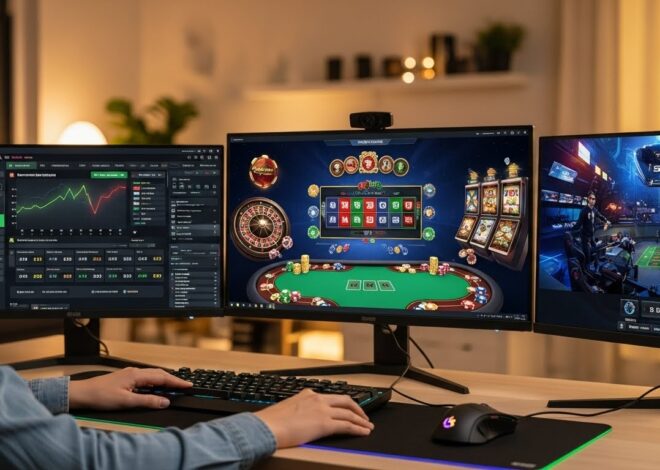
The world of gaming has undergone a remarkable transformation over the past few decades. What once began as simple mechanical slot machines and basic table games in physical casinos has now evolved into a sophisticated digital universe known as iGaming. This online entertainment industry combines technology, psychology, and global connectivity to create an interactive experience that appeals to millions of players worldwide. The evolution of iGaming represents more than just the digitization of casino games—it symbolizes a cultural shift in how people play, compete, and interact within virtual environments. From the early days of online slots to the emergence of comprehensive sportsbooks, iGaming continues to redefine modern entertainment.
The Birth of iGaming: From Casino Floors to Computer Screens
The roots of iGaming can be traced back to the 1990s, a period that saw the rise of the internet as a public utility. With the advent of online connectivity, industries across the world began to explore digital possibilities, and gambling was no exception. Antigua and Barbuda became one of the first nations to regulate online gambling in 1994, granting licenses to operators who wished to run digital casinos. This legal framework provided a foundation for the first online casinos, offering virtual versions of popular games like blackjack, roulette, and slots.
The first online gambling platforms were relatively simple compared to today’s standards. They featured limited graphics, minimal sound effects, and basic user interfaces. However, the novelty of being able to place bets and win real money from the comfort of home captured the imagination of players. By the late 1990s, dozens of online casinos had launched, each striving to improve gameplay, design, and security.
The Rise of Online Slots: A Digital Revolution
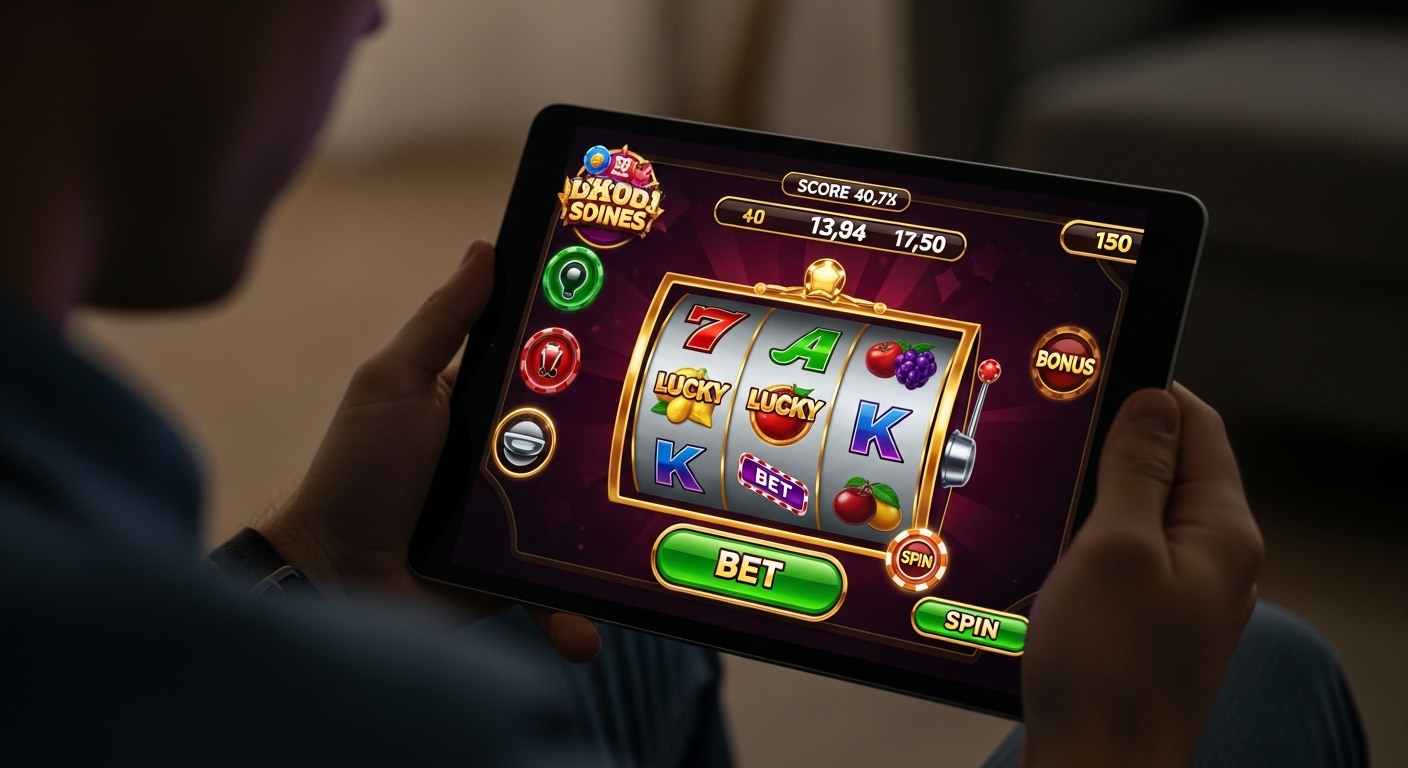
Slots were among the earliest and most successful games to transition from physical casinos to online platforms. The charm of slot machines lies in their simplicity: pull a lever, spin the reels, and hope for a winning combination. This straightforward mechanic made it easy to replicate digitally, but developers quickly realized that online slots could offer far more creative freedom than their physical counterparts.
As software technology advanced, online slot developers began to introduce immersive themes, animations, and storylines. Players could explore ancient civilizations, embark on treasure hunts, or spin reels inspired by popular movies and TV shows. Progressive jackpots also became a major attraction, allowing players from around the world to contribute to massive prize pools that could reach millions of dollars.
Unlike physical machines, online slots could continuously evolve through updates and new releases. Features like bonus rounds, free spins, and interactive mini-games became standard, increasing player engagement. Developers such as Microgaming and NetEnt emerged as pioneers, pushing the limits of what online slots could achieve in terms of creativity and functionality.
The Expansion Beyond Casino Games
As technology improved and internet speeds increased, iGaming expanded beyond traditional casino games. Online poker, bingo, and even lottery-style games began to gain traction. Poker in particular became a cultural phenomenon in the early 2000s, thanks to televised tournaments and the allure of strategic gameplay. Online poker rooms allowed players from different countries to compete in real time, building communities that combined skill, competition, and entertainment.
Online casinos also started to experiment with live dealer games. These innovations used video streaming to broadcast real human dealers operating physical casino tables in real time. Players could interact with dealers through chat features, creating a bridge between digital convenience and authentic casino atmosphere. This blend of realism and accessibility made live dealer games one of the fastest-growing segments of the iGaming industry.
The Emergence of Sportsbooks and Online Betting
While online casinos were flourishing, another side of the iGaming industry was gaining momentum: sports betting. The digital transformation of sportsbooks brought one of humanity’s oldest pastimes—wagering on athletic competitions—into the modern age. Early online sportsbooks focused primarily on major sports like football, basketball, and horse racing, but the variety quickly expanded.
Today, bettors can wager on virtually any sport, from tennis and cricket to esports and even political events. The flexibility of online sportsbooks allows for in-play betting, where users can place wagers in real time as games unfold. This interactive feature adds excitement and strategic depth, as odds shift dynamically based on live performance and game conditions.
The growth of online sportsbooks has also been supported by the increasing legalization and regulation of online betting across many jurisdictions. Governments have recognized the potential for tax revenue and economic growth, leading to a more structured and transparent market. The integration of data analytics and artificial intelligence has further revolutionized sports betting, allowing operators to offer personalized odds, predictive insights, and responsible gaming tools.
The Role of Mobile Technology in iGaming’s Expansion
No single technological advancement has impacted iGaming more profoundly than the rise of mobile devices. Smartphones and tablets have turned online gambling into a 24/7 accessible activity, allowing players to enjoy games from anywhere at any time. Mobile apps and optimized websites have made it possible to spin a slot reel, place a sports bet, or join a live poker table with just a few taps.
The convenience of mobile gaming has dramatically broadened the audience for iGaming. Younger generations who grew up with mobile technology view smartphones as their primary entertainment hub, and iGaming platforms have adapted accordingly. Developers focus heavily on mobile-first design, ensuring that graphics, gameplay, and user experience are seamless on smaller screens.
In addition to convenience, mobile technology has enabled new forms of engagement. Push notifications, loyalty programs, and in-app bonuses keep players informed and connected. The integration of biometric security, such as fingerprint and facial recognition, has also enhanced safety, giving users confidence in the protection of their data and transactions.
The Power of Software Providers and Innovation
Behind every successful iGaming platform lies the innovation of software providers. Companies such as Playtech, Microgaming, Pragmatic Play, and Evolution Gaming have shaped the modern iGaming landscape through cutting-edge technology and creative design. These developers not only supply games but also create entire ecosystems of back-end management tools, payment systems, and player engagement features.
Advancements in graphics engines, random number generation (RNG), and blockchain technology have further enhanced transparency and fairness in online gaming. Many platforms now employ provably fair algorithms, which allow players to verify the legitimacy of outcomes independently. This commitment to integrity has helped the iGaming industry build trust with a global audience.
Virtual reality (VR) and augmented reality (AR) are also making their way into iGaming. VR casinos offer immersive environments where players can walk around virtual casino floors, interact with other players, and experience games in three-dimensional detail. Though still in its early stages, this technology represents the next frontier of iGaming entertainment.
The Influence of Esports and Fantasy Sports
In recent years, the definition of iGaming has expanded beyond traditional gambling to include competitive digital entertainment such as esports and fantasy sports. Esports betting has exploded in popularity, as millions of fans now follow professional gaming tournaments featuring titles like League of Legends, Counter-Strike, and Dota 2. The ability to wager on virtual competitions merges the excitement of gaming with the thrill of sports betting.
Fantasy sports platforms also contribute to the diversification of iGaming. They allow players to build teams of real athletes and earn points based on actual performance. This blend of strategy, sports knowledge, and chance appeals to both casual fans and seasoned bettors. The rise of fantasy sports has also encouraged the development of social gaming communities where users compete with friends and share achievements.
Regulation and Responsible Gaming
As iGaming has grown into a multi-billion-dollar global industry, the importance of regulation and responsible gaming has become increasingly evident. Early online casinos operated in a relatively unregulated environment, which sometimes led to issues such as fraud, addiction, and unfair practices. However, as the industry matured, governments and regulatory bodies began implementing strict licensing requirements and consumer protection measures.
Modern iGaming platforms are required to comply with anti-money laundering (AML) standards, player identity verification (KYC), and responsible gaming frameworks. Tools such as self-exclusion options, deposit limits, and activity tracking help players maintain control over their gambling habits. Additionally, many operators partner with organizations that provide support for problem gambling, emphasizing the industry’s commitment to player welfare.
Transparency and security have become key competitive advantages. Licensed operators are audited regularly to ensure fairness and reliability. The introduction of blockchain technology has further increased transparency by recording all transactions on immutable ledgers, ensuring that every spin, roll, or bet is traceable.
The Social and Cultural Impact of iGaming
Beyond its economic and technological dimensions, iGaming has had a significant cultural impact. It has transformed gambling from an exclusive activity reserved for casino visitors into an accessible form of entertainment available to anyone with an internet connection. The social aspects of iGaming, such as chat rooms, multiplayer modes, and live dealer interactions, have fostered online communities that span continents.
For many players, iGaming offers not just the chance to win money but also a form of relaxation, competition, and social connection. The integration of gamification elements—such as achievements, leaderboards, and rewards—adds layers of engagement that resemble traditional video gaming. This blending of gaming and gambling has blurred the boundaries between leisure and wagering entertainment.
At the same time, iGaming has influenced pop culture, appearing in movies, music, and social media. Streamers and influencers now broadcast live gaming sessions, attracting millions of viewers who watch and learn about strategies, games, and betting trends. This content-driven culture has made iGaming more visible and relatable, further fueling its growth.
The Future of iGaming: Trends and Predictions
As technology continues to evolve, so too will the landscape of iGaming. Artificial intelligence (AI) is set to play a major role in personalizing player experiences. Through AI-driven analytics, operators can tailor game recommendations, bonuses, and marketing strategies to individual preferences. AI also enhances security by detecting unusual patterns that might indicate fraud or problem gambling behavior.
Blockchain technology and cryptocurrencies are likely to become more prominent in iGaming. Digital currencies provide fast, secure, and anonymous transactions, appealing to players seeking privacy and efficiency. Some platforms already operate entirely on blockchain, ensuring provably fair outcomes and decentralized control.
The integration of metaverse concepts is another exciting frontier. Future iGaming environments may resemble expansive virtual worlds where players can own digital assets, interact with others through avatars, and participate in tournaments that blend skill and chance. These virtual ecosystems could redefine what it means to “visit” a casino, offering a more immersive and interactive experience than ever before.
Regulation will also continue to shape the future of iGaming. As more countries legalize and formalize online betting, global standards of fairness, transparency, and responsible gaming will emerge. This will help legitimize the industry further and attract new players who may have previously been skeptical of online gambling.
Conclusion: The Endless Evolution of Digital Entertainment
The journey from mechanical slot machines to global sportsbooks represents more than just a technological evolution—it’s a story of human innovation and adaptation. iGaming has transformed the way people engage with games of chance, creating a digital entertainment ecosystem that combines excitement, accessibility, and creativity. It reflects our natural desire for competition, reward, and connection in a world increasingly defined by technology.
From the early online casinos of the 1990s to the immersive, mobile, and data-driven platforms of today, iGaming continues to evolve with each technological leap. As artificial intelligence, virtual reality, and blockchain technologies mature, the boundaries of iGaming will expand even further, offering experiences that were once unimaginable.
Ultimately, iGaming’s evolution is not just about betting or winning—it’s about the ongoing fusion of technology, entertainment, and human experience. Whether you’re spinning reels, placing bets on your favorite team, or exploring the next virtual casino in the metaverse, one thing remains certain: the world of iGaming will keep changing, thrilling, and connecting players in ways that redefine the essence of entertainment itself.