
The Digital Revolution of iGaming: How Technology is Reshaping the Future of Online Entertainment
Introduction
The world of gaming has undergone a massive transformation over the last few decades. What once began as simple pixelated games played on large arcade machines has now evolved into a high-tech, immersive experience accessible from anywhere in the world. Among the most rapidly growing segments of this digital revolution is iGaming. The term “iGaming” refers to online betting or gambling on the internet, which includes sports betting, casino games, poker, lotteries, and esports wagering. With advancements in technology, iGaming has become a global phenomenon that combines entertainment, innovation, and digital engagement like never before.
The Rise of iGaming in the Digital Era
The emergence of iGaming can be traced back to the mid-1990s when the internet first became widely accessible. At that time, a few online platforms began offering basic casino-style games. These early versions of iGaming lacked sophistication but paved the way for the vast digital entertainment landscape we have today. As internet connections improved and personal computers became more powerful, online gaming platforms began to thrive. The arrival of smartphones and tablets further accelerated the growth of iGaming, making it possible for users to play anytime, anywhere.
Today, iGaming is a multi-billion-dollar industry, supported by advanced technologies such as artificial intelligence, blockchain, and virtual reality. The digital environment has transformed gaming from a solitary pastime into a global community where millions of players interact daily.
The Role of Technology in Shaping iGaming
Technology lies at the heart of iGaming’s success. The development of advanced software, secure payment gateways, and immersive visual experiences has revolutionized how people play and engage with online games. Modern iGaming platforms use sophisticated algorithms to ensure fairness, security, and personalized experiences.
Artificial intelligence, for instance, enhances user engagement by recommending games based on a player’s preferences and habits. Machine learning tools analyze user data to optimize gameplay experiences and detect potential fraudulent activities, ensuring both safety and enjoyment for players.
Another crucial technological breakthrough is blockchain, which has added transparency and security to iGaming transactions. Blockchain-based systems allow players to verify the fairness of games and protect their funds using decentralized mechanisms. Cryptocurrencies are also becoming increasingly popular in iGaming, offering fast and secure transactions without the need for traditional banking systems.
The Evolution of Mobile iGaming
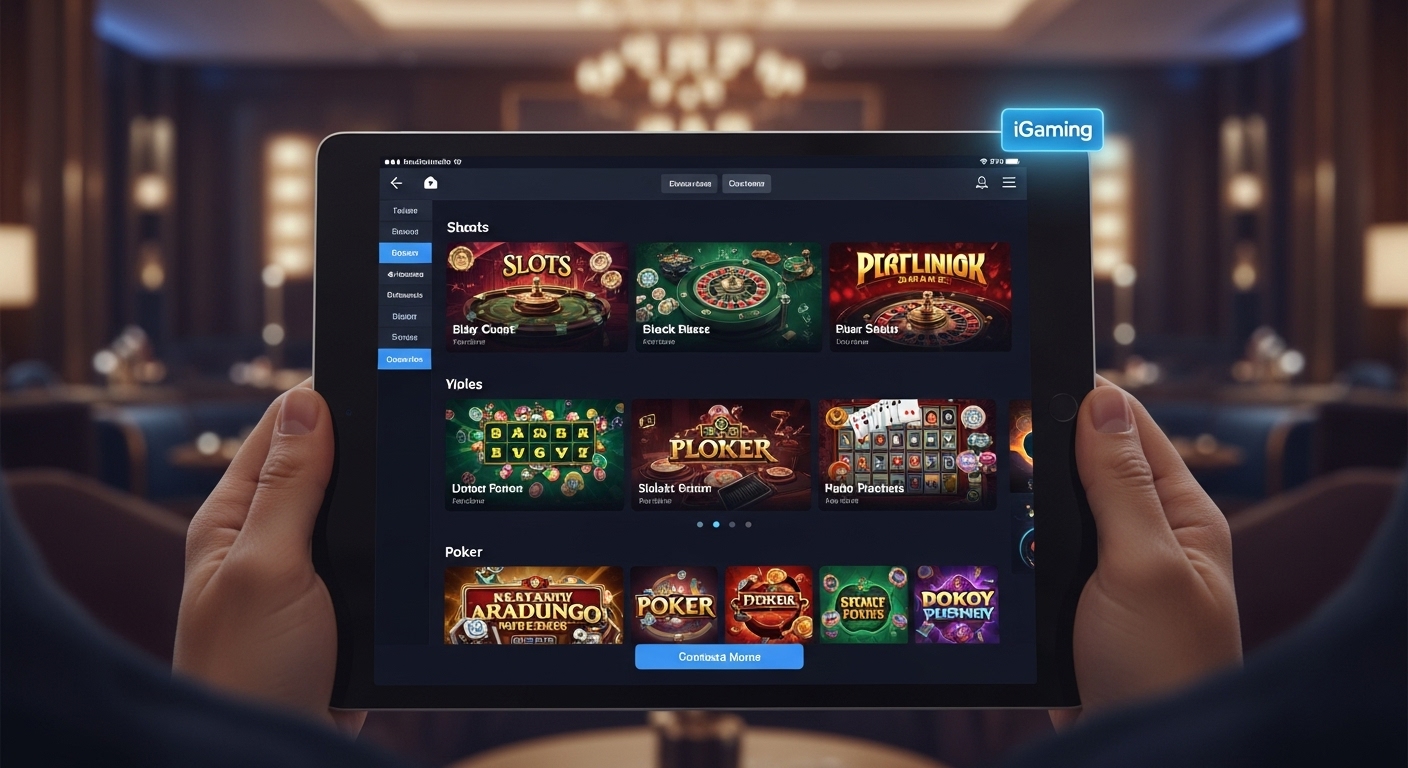
The shift from desktop gaming to mobile platforms marks one of the biggest revolutions in iGaming. The convenience of mobile gaming has significantly expanded the player base. Smartphones equipped with high-resolution screens, powerful processors, and fast internet connections allow users to enjoy the same quality of experience they would get on a desktop computer.
Mobile applications for iGaming are designed with user-friendly interfaces and responsive graphics, making them ideal for both casual and experienced players. Additionally, the integration of biometric verification and secure payment systems has enhanced the safety of mobile transactions. The ease of access and the constant availability of games have turned mobile iGaming into a dominant force in the industry.
Virtual Reality and Immersive Gaming Experiences
Virtual Reality (VR) and Augmented Reality (AR) are changing the landscape of iGaming by adding a new dimension of immersion. These technologies make gaming more realistic and engaging, providing players with experiences that closely mimic physical casinos. With VR headsets, players can enter a virtual casino, walk around, interact with other players, and even sit at digital tables to play poker or blackjack.
Augmented Reality, on the other hand, blends the digital and physical worlds by overlaying game elements onto real environments. These innovations are pushing the boundaries of what iGaming can offer, turning traditional gameplay into fully interactive experiences. The rise of these technologies demonstrates that the future of iGaming is moving toward more immersive, lifelike entertainment.
Artificial Intelligence and Personalization
Personalization is one of the most powerful tools driving user engagement in iGaming. Artificial intelligence plays a significant role in creating customized experiences for players. AI algorithms analyze player behavior, preferences, and spending habits to recommend games and bonuses that align with individual interests.
Moreover, AI-powered chatbots provide real-time assistance, answering questions and resolving issues efficiently. This has significantly improved customer service in the iGaming sector. Additionally, AI helps detect patterns of problem gambling, enabling platforms to promote responsible gaming practices. By offering a more tailored and secure experience, AI ensures that iGaming remains both entertaining and ethical.
The Importance of Responsible Gaming
While iGaming provides entertainment and excitement, it also presents potential challenges, such as addiction and irresponsible spending. Therefore, responsible gaming has become a major focus for developers and operators. Modern platforms use technology to monitor player behavior and identify signs of problem gambling.
Features like deposit limits, self-exclusion tools, and reality checks are commonly integrated into iGaming systems to promote safe play. Educational resources and support systems also help players maintain healthy gaming habits. By encouraging responsible behavior, the industry ensures its sustainability and builds trust among users.
The Growing Popularity of Esports Betting
Another fascinating branch of iGaming is esports betting, where players place wagers on professional video game tournaments. Games like League of Legends, Dota 2, and Counter-Strike have gained enormous popularity, with millions of fans watching live matches. Esports betting combines the excitement of traditional sports wagering with the digital thrill of competitive gaming.
The growth of streaming platforms and the rise of global tournaments have created new opportunities for iGaming operators to engage with younger audiences. The combination of gaming and betting has given rise to an entirely new entertainment ecosystem that continues to expand rapidly.
The Economic Impact of iGaming
The iGaming industry has not only transformed entertainment but also contributed significantly to global economies. It generates billions in revenue annually and provides employment to thousands of professionals in technology, marketing, customer support, and cybersecurity.
Countries that have embraced regulated iGaming markets benefit from tax revenues that support public projects and community programs. Additionally, iGaming promotes technological innovation and encourages investment in digital infrastructure. The continuous evolution of the industry promises even greater economic opportunities in the coming years.
Future Trends in iGaming
The future of iGaming is filled with exciting possibilities. As technology continues to evolve, so too will the gaming experience. Some of the most promising trends include the integration of metaverse gaming environments, where players can interact in shared virtual spaces.
The metaverse concept will allow users to own virtual assets, attend digital events, and play within vast interconnected worlds. Blockchain technology will further enhance transparency, enabling players to trade digital items securely. Artificial intelligence will continue to refine personalization, offering experiences that adapt in real-time to player behavior.
Moreover, the growing use of wearable devices and smart technologies could redefine how players interact with games. For instance, gesture-based controls or biometric responses may become part of the gameplay, creating even more engaging and immersive experiences.
The Social Aspect of iGaming
One of the most remarkable developments in iGaming is the rise of social interaction. Modern gaming platforms allow players to chat, compete, and collaborate with others in real-time. Social gaming communities have become essential in keeping users engaged and connected.
Multiplayer games, tournaments, and social leaderboards encourage a sense of competition and camaraderie among players. This blend of gaming and social networking makes iGaming more dynamic and inclusive. The ability to connect with others around the globe transforms gaming from an individual experience into a shared digital adventure.
Conclusion
iGaming represents the perfect fusion of technology and entertainment. It has evolved from simple online casinos into a complex, interactive ecosystem powered by advanced technologies such as artificial intelligence, blockchain, and virtual reality. The convenience of mobile gaming, the excitement of esports betting, and the immersion of virtual environments have all contributed to the rise of iGaming as a dominant form of modern entertainment.
As the industry continues to innovate, the future of iGaming promises even more sophisticated, secure, and immersive experiences. With a growing global audience and continuous technological advancements, iGaming is not just reshaping how we play—it is redefining the very concept of digital entertainment for generations to come.