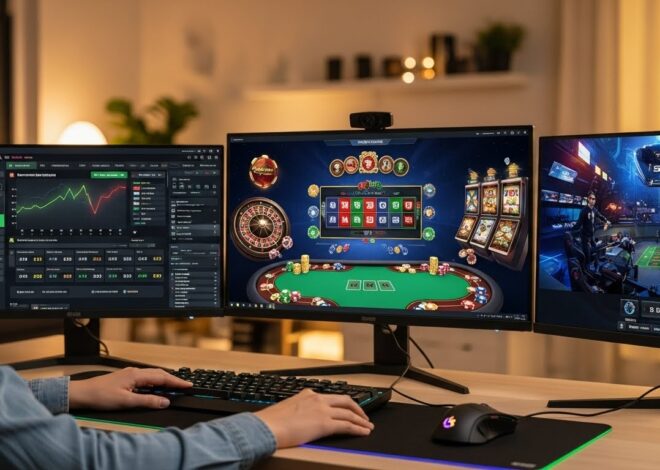

The Digital Spin: How iGaming is Transforming Entertainment and Engagement
Introduction: The Rise of iGaming
The gaming world has evolved dramatically over the past two decades, and at the forefront of this evolution is iGaming. iGaming, which encompasses online casino games, sports betting, poker, and interactive gaming platforms, has transformed how people engage with gambling and entertainment. Unlike traditional gaming formats, iGaming is accessible, immersive, and highly interactive, offering experiences that cater to a diverse audience. From casual players seeking entertainment to professional enthusiasts participating in high-stakes competitions, iGaming is redefining what it means to play and win in the digital age.
The History and Evolution of iGaming
iGaming emerged as internet accessibility increased in the late 1990s and early 2000s. The earliest platforms offered basic online poker and casino games, introducing players to virtual betting environments. Over time, technological advancements such as high-speed internet, mobile devices, and secure payment systems expanded the reach and sophistication of iGaming. Today, players can access a vast array of games from anywhere in the world, including slots, table games, live dealer games, and fantasy sports. This evolution has transformed iGaming from a niche pastime into a mainstream form of digital entertainment.
Understanding the iGaming Experience
At its core, iGaming provides an interactive experience that blends entertainment, strategy, and social engagement. Players are not just passive participants; they actively engage in decision-making, risk assessment, and strategic thinking. Whether spinning a virtual slot machine, placing a sports bet, or competing in online poker tournaments, iGaming offers dynamic gameplay that challenges both skill and intuition. The immersive design, high-quality graphics, and real-time interactions ensure that players are fully engaged, making iGaming a captivating digital experience.
Cognitive Benefits of iGaming
While iGaming is primarily viewed as entertainment, it also offers cognitive benefits. Many games require players to analyze odds, make strategic decisions, and anticipate outcomes, which enhances problem-solving and critical thinking skills. Poker, for example, demands understanding probabilities, reading opponents, and adjusting strategies accordingly. Sports betting encourages research, analysis, and informed decision-making. Even casual players develop pattern recognition and mental calculation skills, demonstrating that iGaming can stimulate the mind while providing enjoyment.
Technology Driving iGaming Innovation
Technology plays a crucial role in the growth and sophistication of iGaming. Modern platforms use advanced software, high-definition graphics, and secure random number generators to ensure fairness and engagement. Mobile technology allows players to access games anytime and anywhere, while live streaming technology enables real-time dealer interactions for an authentic casino experience. Additionally, artificial intelligence and machine learning are being utilized to enhance user experience, personalize gameplay, and improve security measures. These innovations ensure that iGaming remains at the cutting edge of digital entertainment.
Live Dealer Games: Bridging Virtual and Real
Live dealer games have become one of the most popular aspects of iGaming. These games combine the convenience of online platforms with the authenticity of real-life casinos. Professional dealers conduct games in real-time, streamed directly to players’ devices, creating a highly immersive experience. Live dealer games foster interaction, strategy, and social engagement, providing a sense of realism that traditional online games cannot replicate. This fusion of virtual and real-life elements exemplifies how technology can elevate digital entertainment experiences.
Social Engagement in iGaming
iGaming is not only about playing alone; it is also a social experience. Multiplayer poker rooms, leaderboards, tournaments, and chat features allow players to interact, compete, and collaborate with others globally. This sense of community enhances engagement and adds a social dimension to digital gaming. Players can share tips, celebrate wins, and participate in competitive events, making iGaming both interactive and socially enriching. The social element reinforces player loyalty and builds long-term communities within digital gaming ecosystems.
Regulation and Responsible Gaming
As iGaming grows, regulation and responsible gaming practices are essential. Legal frameworks vary by country, with strict regulations ensuring fair play, secure transactions, and player protection. Operators are required to implement measures such as self-exclusion tools, deposit limits, and age verification to promote responsible gaming. Education about risks and safe gaming practices is crucial to prevent addiction and ensure a positive experience for all players. Responsible iGaming ensures that digital entertainment remains safe, enjoyable, and sustainable for a diverse audience.
The Role of Bonuses and Promotions
One of the defining features of iGaming platforms is the use of bonuses and promotions to attract and retain players. Welcome bonuses, free spins, cashback offers, and loyalty programs enhance player engagement and provide additional value. These incentives encourage experimentation with different games and strategies, while also promoting long-term participation. When used responsibly, bonuses and promotions contribute to an enjoyable and rewarding gaming experience.
Mobile Gaming and Accessibility
The rise of mobile technology has significantly increased the accessibility of iGaming. Players can now enjoy casino games, sports betting, and poker from smartphones and tablets without needing to visit a physical location. Mobile platforms are optimized for ease of use, offering intuitive interfaces and seamless gameplay. Accessibility has democratized iGaming, allowing a broader range of players to participate, from casual enthusiasts to dedicated professionals. The convenience of mobile gaming ensures that entertainment is always just a tap away.
The Economic Impact of iGaming
iGaming is not only a source of entertainment but also a significant economic driver. The industry generates billions in revenue globally, supporting employment in software development, customer service, marketing, and compliance. Legal and regulated platforms contribute to tax revenue, tourism, and local economies. Additionally, the popularity of iGaming drives technological innovation, fostering advancements in secure payment systems, data analysis, and digital media. The economic impact demonstrates the broad influence of iGaming beyond individual gameplay.
Gamification and Player Engagement
Gamification techniques are increasingly integrated into iGaming to enhance engagement. Leaderboards, achievements, missions, and rewards motivate players to participate consistently and explore new features. Gamification not only makes gameplay more interactive and enjoyable but also encourages strategic thinking and skill development. By blending entertainment with elements of challenge and achievement, iGaming platforms maintain player interest and create long-term engagement.
Future Trends in iGaming
The future of iGaming promises innovation and expansion. Virtual reality casinos, immersive 3D environments, and interactive live events are poised to redefine the digital gaming experience. Artificial intelligence will personalize gameplay further, tailoring experiences to individual preferences. Blockchain technology and cryptocurrency integration may enhance security, transparency, and payment flexibility. Additionally, social and competitive features will continue to grow, emphasizing community and engagement. The future of iGaming is digital, immersive, and highly interactive, offering unprecedented opportunities for entertainment and connection.
Cultural Influence of iGaming
iGaming is increasingly shaping cultural trends in entertainment. Iconic games, tournaments, and digital platforms influence media, fashion, and online communities. Streamed gameplay and esports competitions have become global phenomena, inspiring fan culture and social interaction. iGaming reflects societal values such as competition, strategy, and reward, while also influencing perceptions of technology, entertainment, and risk management. Its cultural impact highlights the role of digital gaming as a significant force in modern society.
Conclusion: iGaming as a Transformative Digital Experience
iGaming is more than digital gambling—it is a dynamic form of entertainment that combines strategy, technology, social engagement, and cultural influence. It challenges the mind, promotes creativity, fosters social connections, and provides immersive experiences that go beyond traditional gaming. With responsible practices, technological advancements, and evolving global participation, iGaming has firmly established itself as a major component of modern entertainment. The industry continues to innovate, offering players not just games but transformative digital experiences that redefine how we play, compete, and connect in the digital era.