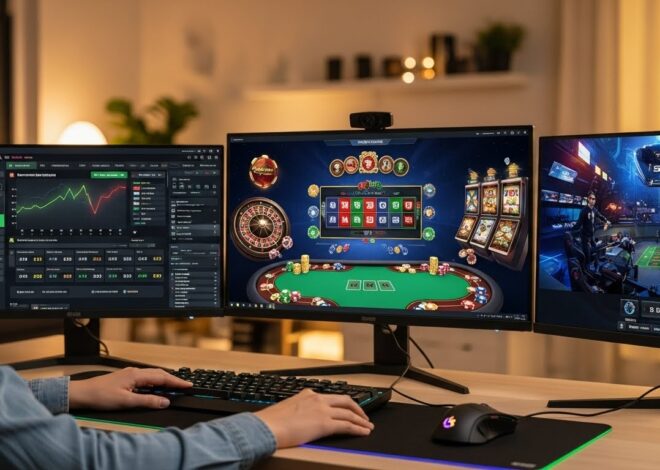

The Thriving World of iGaming: A Complete Exploration
The world of iGaming has transformed dramatically over the past two decades. From humble beginnings with simple online poker rooms to a vast ecosystem including casino games, sports betting, and esports, iGaming has become one of the most dynamic sectors in digital entertainment. Today, millions of players worldwide engage with interactive platforms, enjoying the convenience, excitement, and technological innovation that the industry offers. In this blog, we will explore every aspect of iGaming, from its history and technological advancements to the psychology behind gaming, regulatory frameworks, and the future of the industry.
Understanding iGaming
iGaming, short for “interactive gaming,” refers to online gaming activities where players can participate through digital platforms. It encompasses a broad range of games, including online casinos, poker, bingo, lottery, sports betting, and virtual games. Unlike traditional gaming, iGaming combines entertainment with technology, providing users a seamless and immersive experience. The growth of the industry is fueled by factors such as internet accessibility, mobile devices, and innovative game development technologies.
Unlike physical casinos, iGaming platforms offer the flexibility to play anytime and anywhere. Users no longer need to travel to brick-and-mortar venues to enjoy their favorite games. Furthermore, the digital nature of iGaming allows developers to experiment with novel game mechanics, graphics, and interactive features, creating more engaging experiences than traditional gaming.
A Brief History of iGaming
The iGaming industry traces its roots back to the mid-1990s when the first online casinos and poker platforms emerged. Early pioneers focused on replicating the experience of land-based casinos, often using simple digital interfaces and limited graphics. Over time, these platforms evolved, integrating secure payment systems and sophisticated random number generators (RNGs) to ensure fair play.
The late 2000s marked a significant turning point with the rise of mobile gaming. Smartphones and tablets revolutionized the way users accessed games, leading to a surge in mobile-first platforms. Today, the industry continues to innovate with virtual reality casinos, live dealer experiences, and AI-driven game personalization.
Key Segments of iGaming
Online Casinos
Online casinos form the backbone of the iGaming industry. They offer a variety of games, including slots, blackjack, roulette, baccarat, and poker. The digital format allows developers to introduce unique game mechanics, interactive features, and thematic storytelling. Players can enjoy hundreds of slot variations, each with different pay lines, bonus rounds, and graphics. Live casino options even simulate the experience of being in a physical casino, with real dealers streaming games in real-time.
Sports Betting
Sports betting has become a significant part of iGaming, attracting enthusiasts who enjoy predicting outcomes of events ranging from football and basketball to horse racing and esports. Platforms now offer live betting options, allowing users to place bets during ongoing events. Advanced algorithms and real-time data analytics enable more accurate odds calculation, increasing engagement and excitement.
Poker and Card Games
Online poker remains a favorite among strategic players. Platforms host cash games, tournaments, and sit-and-go competitions, catering to various skill levels. Unlike traditional poker rooms, online poker allows users to participate anonymously, access multiple tables simultaneously, and analyze opponents’ tendencies through historical gameplay data.
Bingo and Lottery
Bingo and lottery games provide casual entertainment for users seeking low-risk, high-fun experiences. Digital platforms have transformed these traditional games by introducing interactive features, social integration, and instant-win mechanics. Modern bingo games often include chatrooms, competitions, and loyalty programs, enhancing player engagement.
Esports Betting
Esports has exploded in popularity, and iGaming platforms have quickly adapted. Players can now bet on competitive video gaming tournaments, covering games such as League of Legends, Dota 2, and Counter-Strike. Esports betting requires unique expertise, as the dynamics differ significantly from traditional sports. Predicting outcomes depends on team form, individual player performance, and tournament structure, creating a niche yet rapidly growing segment of iGaming.
Technology Driving iGaming
Random Number Generators
Fairness is paramount in iGaming, and random number generators (RNGs) are at the heart of this. RNGs ensure that outcomes in games like slots and blackjack are unpredictable and unbiased. Advanced RNG algorithms have undergone rigorous testing to meet regulatory standards, giving players confidence in the integrity of online gaming.
Mobile Platforms
The shift to mobile gaming has been a game-changer. Developers now design games with touch interfaces, adaptive screen layouts, and offline caching to provide seamless experiences. Mobile apps and responsive web platforms enable players to enjoy games on-the-go, dramatically increasing user engagement.
Artificial Intelligence and Personalization
AI technology is increasingly being used to personalize the iGaming experience. Machine learning algorithms track player behavior, preferences, and gaming history to recommend games, tailor promotions, and detect problematic patterns. AI also enhances customer support through chatbots and virtual assistants, improving overall user satisfaction.
Live Dealer Technology
Live dealer games bridge the gap between online and physical casinos. High-definition video streaming, real-time interaction, and professional dealers create an immersive environment. Players can communicate with dealers, observe card shuffling, and experience the thrill of live gaming from their devices.
Player Psychology in iGaming
Understanding player psychology is essential for both developers and operators. Several psychological principles influence engagement:
- Reward Systems: Games are designed to provide intermittent rewards, triggering dopamine release and creating a sense of anticipation.
- Loss Aversion: Players often continue playing to recover losses, a factor exploited by progressive jackpot mechanics.
- Social Interaction: Multiplayer games, chatrooms, and tournaments satisfy the human desire for social engagement.
- Progression Systems: Levels, badges, and achievements create long-term engagement, encouraging players to return regularly.
Operators must balance these elements responsibly, promoting entertainment without fostering harmful behaviors.
Regulation and Responsible Gaming
Regulation plays a crucial role in ensuring safe and fair iGaming environments. Different countries have distinct licensing requirements, tax structures, and compliance standards. Regulatory bodies oversee operations to prevent fraud, money laundering, and underage gaming. Prominent regulatory authorities include the Malta Gaming Authority, the UK Gambling Commission, and the Gibraltar Regulatory Authority.
Responsible gaming initiatives are equally important. Platforms implement tools such as deposit limits, self-exclusion options, and reality checks to protect players. These measures encourage healthy gaming habits and mitigate potential addiction risks.
Economic Impact of iGaming
The economic contribution of iGaming is substantial. The industry generates billions in revenue globally, creating employment opportunities in software development, customer support, marketing, and regulatory compliance. Additionally, iGaming stimulates ancillary industries, including payment processing, advertising, and content creation. Governments benefit through taxation and licensing fees, enabling public investment in social infrastructure.
The Future of iGaming
Virtual Reality and Immersive Experiences
Virtual reality (VR) is poised to redefine iGaming. VR casinos offer fully immersive environments, where players can navigate 3D spaces, interact with objects, and communicate with others. This technology promises a closer approximation to real-life gaming experiences, enhancing engagement and satisfaction.
Blockchain and Cryptocurrencies
Blockchain technology is introducing transparency and decentralization to iGaming. Cryptocurrencies like Bitcoin and Ethereum allow secure, fast, and anonymous transactions. Smart contracts ensure automated payouts and fair play, while decentralized platforms reduce reliance on centralized operators.
Gamification and Social Integration
Future iGaming platforms are likely to integrate gamification elements more deeply. Leaderboards, collaborative challenges, and reward systems encourage social interaction and competition. Social features, including community events and team-based challenges, enhance retention and foster loyalty.
Artificial Intelligence Advancements
AI will continue to shape iGaming by providing hyper-personalized experiences. Advanced predictive algorithms may customize game mechanics in real-time, adapting difficulty, rewards, and challenges to individual players. AI-driven analytics will also improve risk management, fraud detection, and marketing strategies.
Challenges and Considerations
Despite its growth, iGaming faces several challenges:
- Regulatory Complexity: Navigating global licensing laws can be complex, especially for operators expanding internationally.
- Problem Gambling: Responsible gaming measures must evolve to address addiction and protect vulnerable populations.
- Cybersecurity Risks: The digital nature of iGaming makes platforms targets for hacking, fraud, and data breaches.
- Market Saturation: Competition is intense, requiring innovation and differentiation to retain player interest.
Addressing these challenges is critical to sustaining industry growth while ensuring player safety and satisfaction.
Conclusion
iGaming has evolved from simple digital card games to a multi-billion-dollar industry encompassing diverse gaming experiences, technological innovation, and global entertainment. The combination of convenience, immersive technology, and strategic engagement has propelled iGaming into mainstream popularity. As technology continues to advance, and as operators adopt responsible practices, the future of iGaming promises even more excitement, innovation, and opportunities for players and businesses alike.
The industry’s growth is a testament to its adaptability, creativity, and global appeal. Whether you are a casual gamer, a strategic player, or an entrepreneur exploring iGaming opportunities, understanding the ecosystem provides valuable insights into one of the most dynamic sectors in modern entertainment.